Understanding Jamaica's Parliamentary System
Jamaica's Parliament is the foundation of the country's constitutional democracy. This publication explains how it is structured, how power is distributed, and where to read the primary documents that define it.
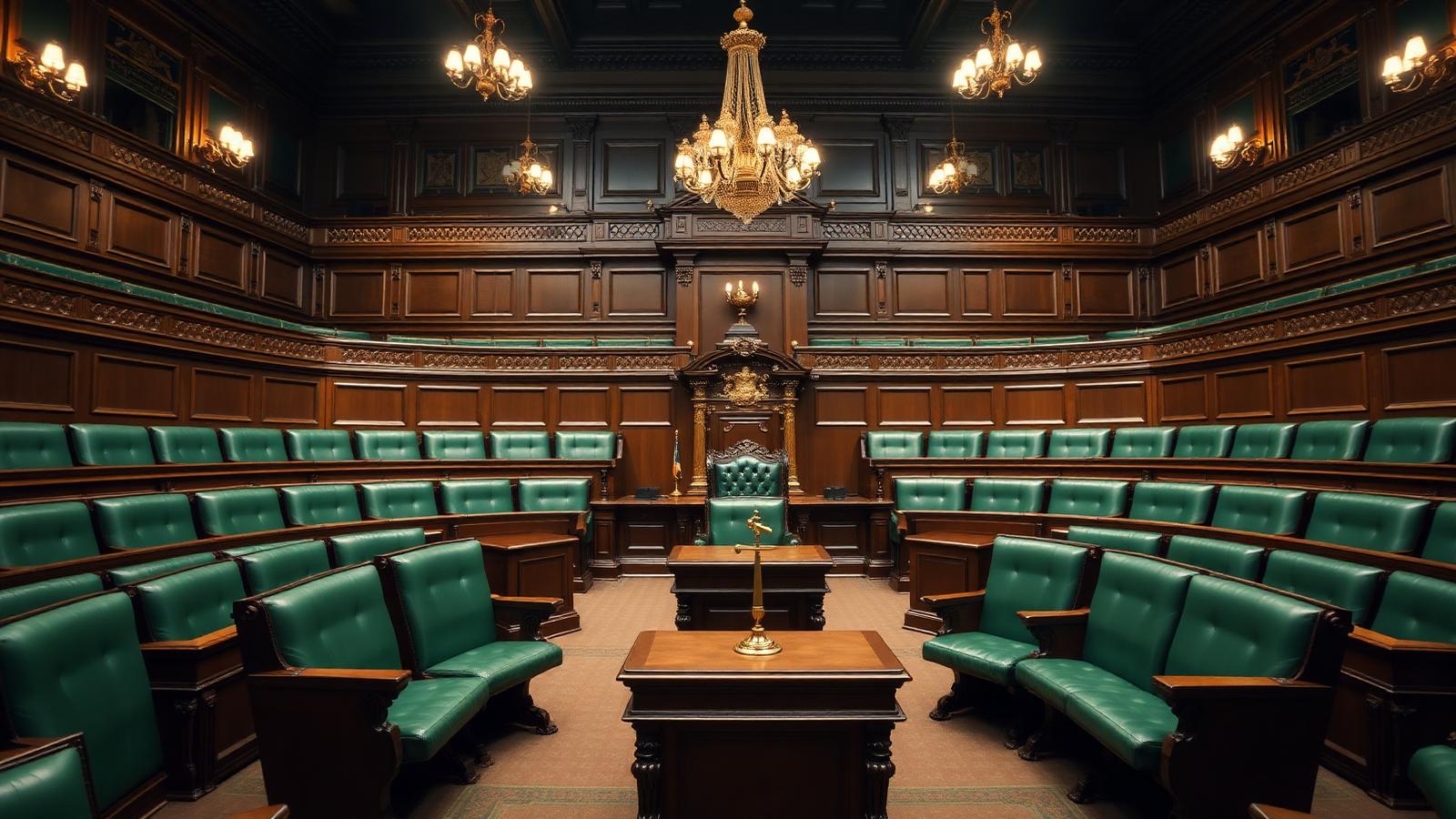
Jamaica is a constitutional monarchy with a parliamentary democracy modelled on the Westminster tradition. Its Parliament is the country's supreme legislative body and, together with the courts and the executive, one of the three branches of the state.
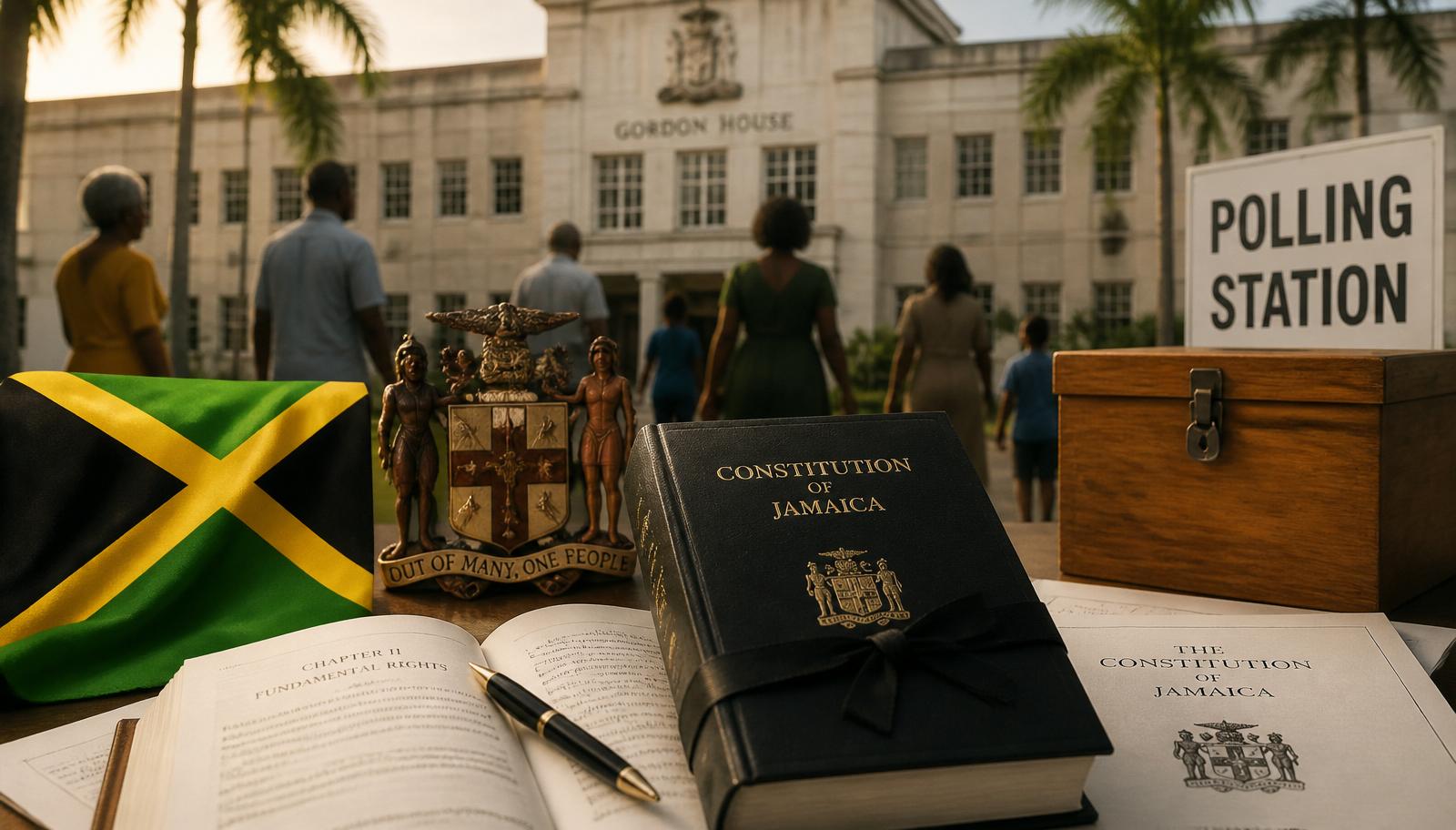
The framework is set out in the Constitution of Jamaica, which came into force at independence in 1962, and in the Standing Orders of the two Houses, which govern parliamentary procedure. Both documents are public and freely available; links appear in Sources and References below.
The two Houses
Parliament consists of two chambers: the House of Representatives and the Senate. Bills must pass both to become law, subject to specific procedural exceptions set out in the Constitution.
The House of Representatives
The House of Representatives is the elected chamber. Its members — Members of Parliament, or MPs — are elected on a first-past-the-post basis from single-member constituencies. Members serve for the life of a Parliament, which cannot last longer than five years under section 64 of the Constitution.
The House is where the Government is formed. The Governor-General appoints as Prime Minister the Member of the House who is best able to command the confidence of a majority of members — in practice, the leader of the largest party or coalition after a general election.
The Senate
The Senate is Jamaica's appointed upper chamber. It has 21 members: 13 appointed on the advice of the Prime Minister and 8 on the advice of the Leader of the Opposition. Senators do not represent constituencies. The Senate reviews legislation from the House, initiates bills of its own, and holds the executive to account through its committees and debates.
The Governor-General
The King of Jamaica is the country's Head of State. In Jamaica the King is represented by the Governor-General, who acts on the advice of the Prime Minister and Cabinet. The Governor-General's constitutional functions include summoning and dissolving Parliament, appointing the Prime Minister and other Ministers, and giving Royal Assent to bills.
The Governor-General's role is largely ceremonial in day-to-day governance, but the office holds significant constitutional reserve powers. It is the office through which the constitutional continuity of the state is maintained between governments.
The Prime Minister and Cabinet
The Prime Minister is the Head of Government and Chair of Cabinet. Cabinet is the principal instrument of executive policy: Ministers, most of whom are drawn from the House of Representatives, are collectively responsible for the actions of the Government.
Under Chapter VI of the Constitution, Cabinet must contain no fewer than 11 Ministers, at least two of whom must be members of the Senate. The Prime Minister assigns portfolios and can reshuffle Cabinet at any time.
Collective responsibility
Collective Cabinet responsibility is a foundational Westminster convention. Ministers who cannot publicly support a Cabinet decision are expected to resign. This convention is not written in a single section of the Constitution but is understood as part of the parliamentary system Jamaica inherited at independence.
The legislative process in outline
A bill is a draft law. In Jamaica most bills are introduced by Ministers, but any Member of either House may introduce a Private Member's Bill.
At a high level, a bill passes through the following stages in each House:
- First reading — the bill is formally introduced and its title read.
- Second reading — the general principles of the bill are debated.
- Committee stage — the bill is examined clause by clause, in a committee of the whole House or a select committee.
- Report stage — any amendments are reported back.
- Third reading — the final version is debated and voted on.
Once both Houses have passed the bill in the same form, it is presented to the Governor-General for Royal Assent. On Assent it becomes an Act of Parliament and, subject to any commencement provisions, has the force of law.
The exact procedure — including the powers of the Senate to delay but not indefinitely block money bills — is set out in the Standing Orders of each House and in the Constitution.
Where to read the primary documents
Every claim in this publication can be verified in a small number of primary documents:
- The Constitution of Jamaica sets out the structure of the state and the powers of each branch.
- The Charter of Fundamental Rights and Freedoms (Constitutional Amendment) Act 2011 sets out the modern bill of rights.
- The Standing Orders of the House of Representatives and of the Senate govern day-to-day parliamentary procedure.
- Hansard, the official verbatim record of debates in both Houses, records what MPs and Senators actually say and vote on.
Readers who wish to follow current parliamentary business can consult the Parliament of Jamaica's website, which publishes bills before Parliament, committee reports and orders of business.
The Caribbean Current will continue to explain the mechanics of Jamaican governance in plain language, always with links to the primary documents. Educated citizens are the foundation of a functioning democracy.
Sources & References
Verify every claim in this article
The Caribbean Current links to primary sources whenever possible. Direct links to official documents are marked below.
Related
More from The Caribbean Current
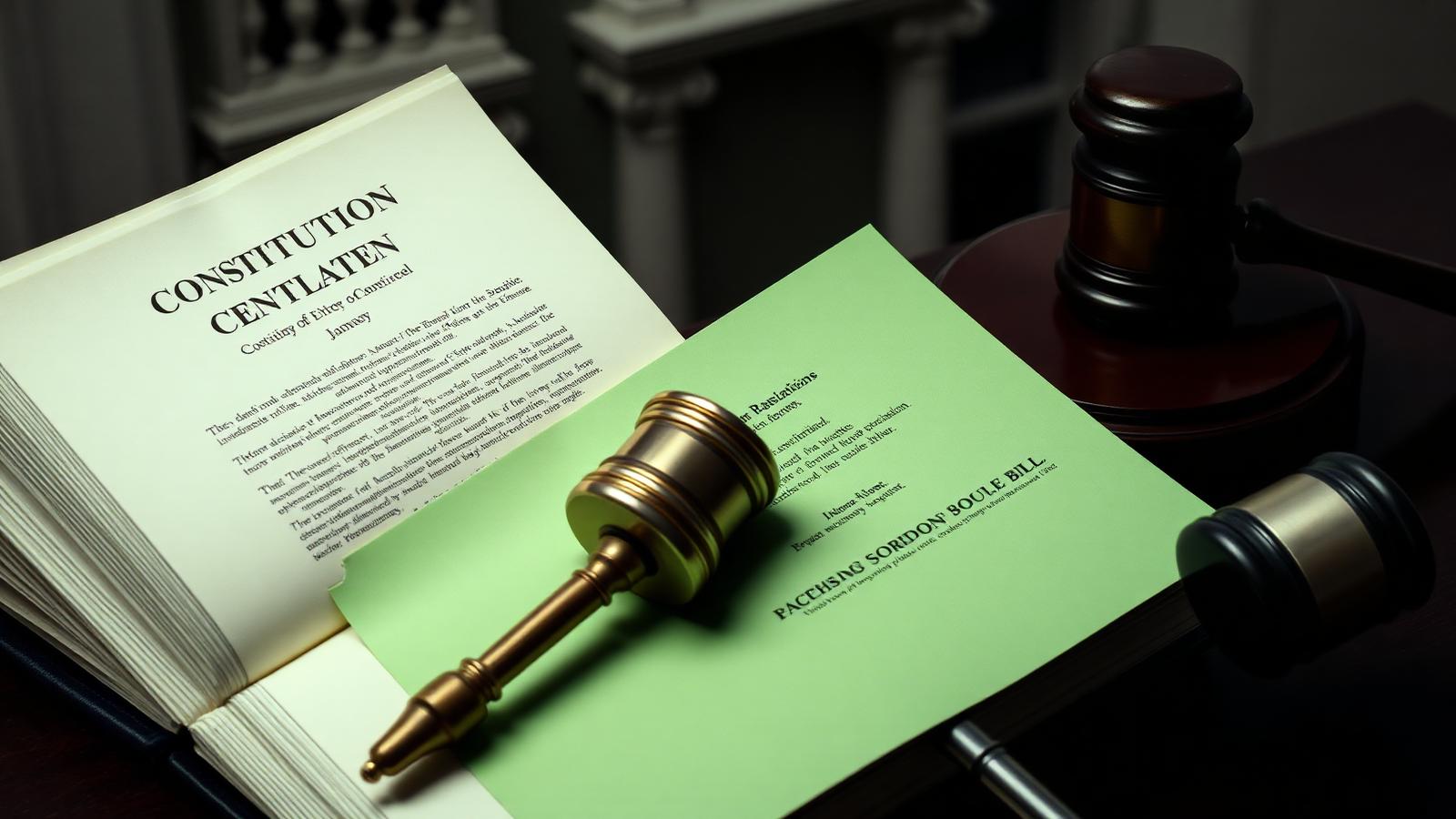
How Laws Are Made in Jamaica
Every law that governs life in Jamaica passes through the same procedure. This publication walks through the legislative process step by step, with references to the Constitution and the Standing Orders of Parliament.
The Caribbean Current · Jul 1, 2026 · 9 min read
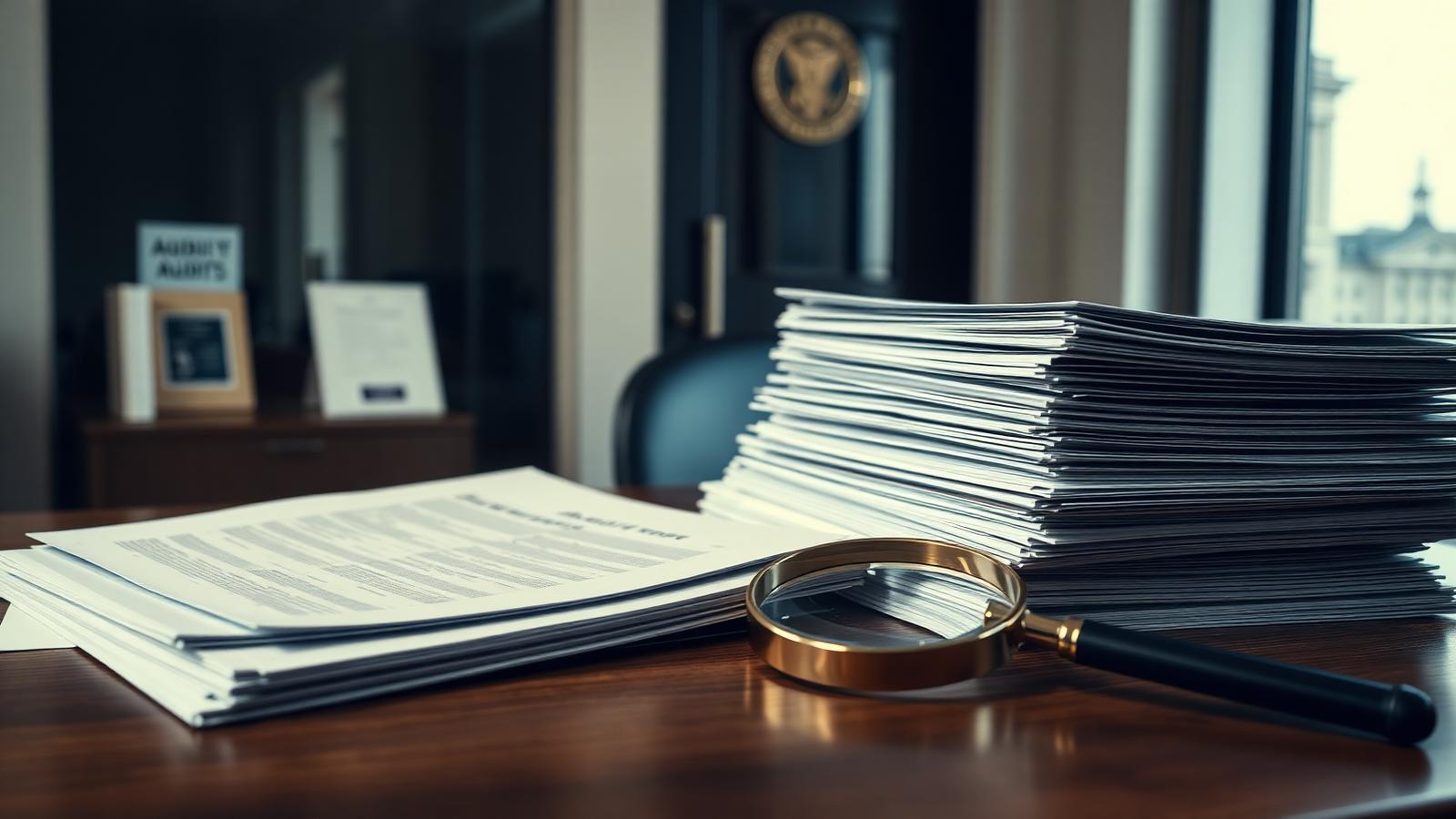
Understanding Government Accountability
Accountability is what turns a government into a government of laws. This publication explains the institutions that hold public officials in Jamaica accountable and points to the primary reports every citizen ought to read.
The Caribbean Current · Jul 16, 2026 · 10 min read
Civics 101: Understanding Government, Politics and Civic Life in Jamaica
A foundational, politically neutral guide to how Jamaica is governed — the Constitution, Parliament, the courts, elections, political ideologies and the everyday rights and responsibilities of citizens.
The Caribbean Current · Jul 24, 2026 · 32 min read