
How Laws Are Made in Jamaica
Every law that governs life in Jamaica passes through the same procedure. This publication walks through the legislative process step by step, with references to the Constitution and the Standing Orders of Parliament.
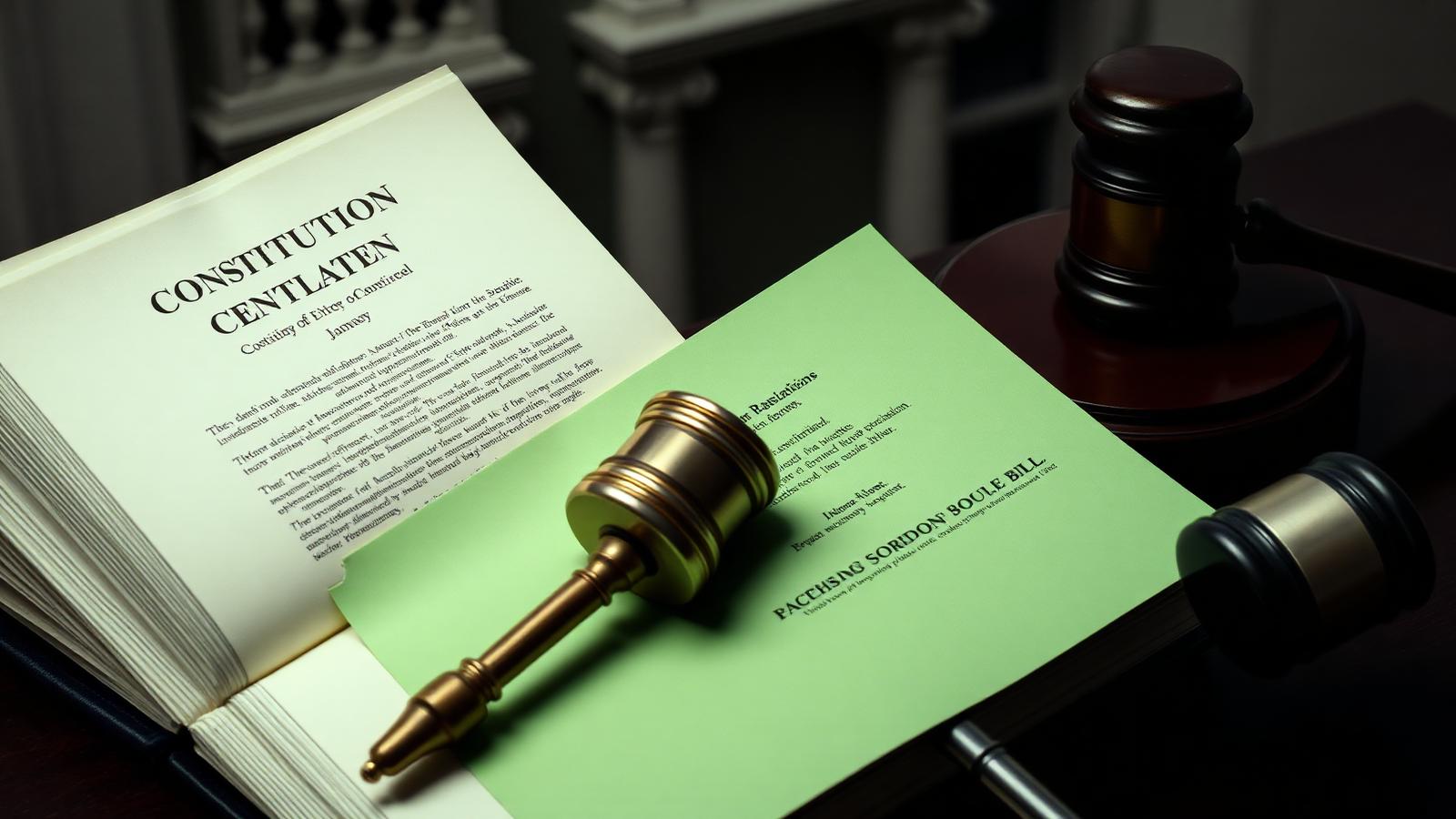
Every Act of Parliament in Jamaica — from the annual Appropriation Act that authorises government spending to the criminal law that governs everyday conduct — begins as a bill and passes through the same procedure. Understanding that procedure is one of the most useful pieces of civic literacy a citizen can acquire.
This publication walks through the legislative process step by step. It draws on the Constitution of Jamaica, which sets the framework, and on the Standing Orders of the House of Representatives and of the Senate, which govern day-to-day parliamentary procedure.
Where a bill comes from
Most bills in Jamaica are Government bills, prepared by a Ministry, drafted by the Chief Parliamentary Counsel and introduced in Parliament by a Minister. A smaller number are Private Members' Bills, introduced by an MP or Senator who is not a Minister. Both follow the same essential procedure.
Every bill has a long title (a formal description of its purpose), a short title (its everyday name) and a set of clauses that will become sections of the Act if the bill is passed.
Publication and first reading
Under the Standing Orders, a bill must ordinarily be published in the Jamaica Gazette before it is introduced. Publication gives the public advance notice of what is being proposed.
The first reading is a formality. The Clerk reads the short title of the bill, the House takes note, and no debate takes place. The purpose is to place the bill formally before Parliament.
Second reading
The second reading is where the substantive debate begins. The Minister — or, in the case of a Private Member's Bill, the sponsoring Member — moves that the bill be read a second time and sets out its purpose. Members then debate the general principles of the bill.
If the House agrees, on a vote if necessary, that the bill be read a second time, the bill has cleared its most important political hurdle. If it is rejected at second reading, the bill is dead.
Committee stage
At committee stage the bill is examined clause by clause. This can take place in a committee of the whole House, or the bill may be referred to a Select Committee. Amendments to individual clauses can be moved and voted on at this stage.
Committee stage is where the technical work of legislation is done. Because it is often less visible in the media than the second reading debate, its importance is easy to underestimate.
Report stage and third reading
Any amendments made in committee are reported back to the House at the report stage. At third reading, the final text of the bill is debated and voted on. Debate at third reading is usually shorter and more focused than at second reading.
If the bill is passed at third reading it has completed its passage in that House.
The other House
A bill passed by the House of Representatives is transmitted to the Senate, and vice versa. The receiving House considers the bill through the same stages. If the receiving House amends the bill, the amendments must be agreed by the originating House before the text is final.
The Constitution provides specific procedures for what happens when the two Houses cannot agree, and separate provisions for money bills — bills that impose taxation or authorise spending — which the Senate can delay but cannot indefinitely block.
Royal Assent
Once both Houses have passed a bill in the same form, the bill is presented to the Governor-General for Royal Assent. On Assent the bill becomes an Act of Parliament. Most Acts come into force on a date specified in the Act itself, or on a date subsequently fixed by ministerial order.
The signed original text of the Act is preserved and, along with the printed version published by the Government Printing Office, becomes the authoritative source of the law.
Reading the record for yourself
Everything described in this publication is documented in real time in a small number of public sources:
- Bills before Parliament are published on the Parliament of Jamaica website.
- The Standing Orders of the two Houses set out the detailed procedure.
- Hansard records the debates verbatim.
- The consolidated statutes are maintained by the Ministry of Justice.
Citizens who want to know how a law came to exist should read the record, not the commentary on it. The Caribbean Current will continue to publish plain-language guides to the mechanics of Jamaican governance.
Sources & References
Verify every claim in this article
The Caribbean Current links to primary sources whenever possible. Direct links to official documents are marked below.
- Constitution of Jamaicaprimary
- Standing Orders of the House of Representativesprimary
- Standing Orders of the Senateprimary
- Bills before Parliamentgovernment
- Acts of the Parliament of Jamaicaprimary
- Hansard — Official Reportprimary
Related
More from The Caribbean Current
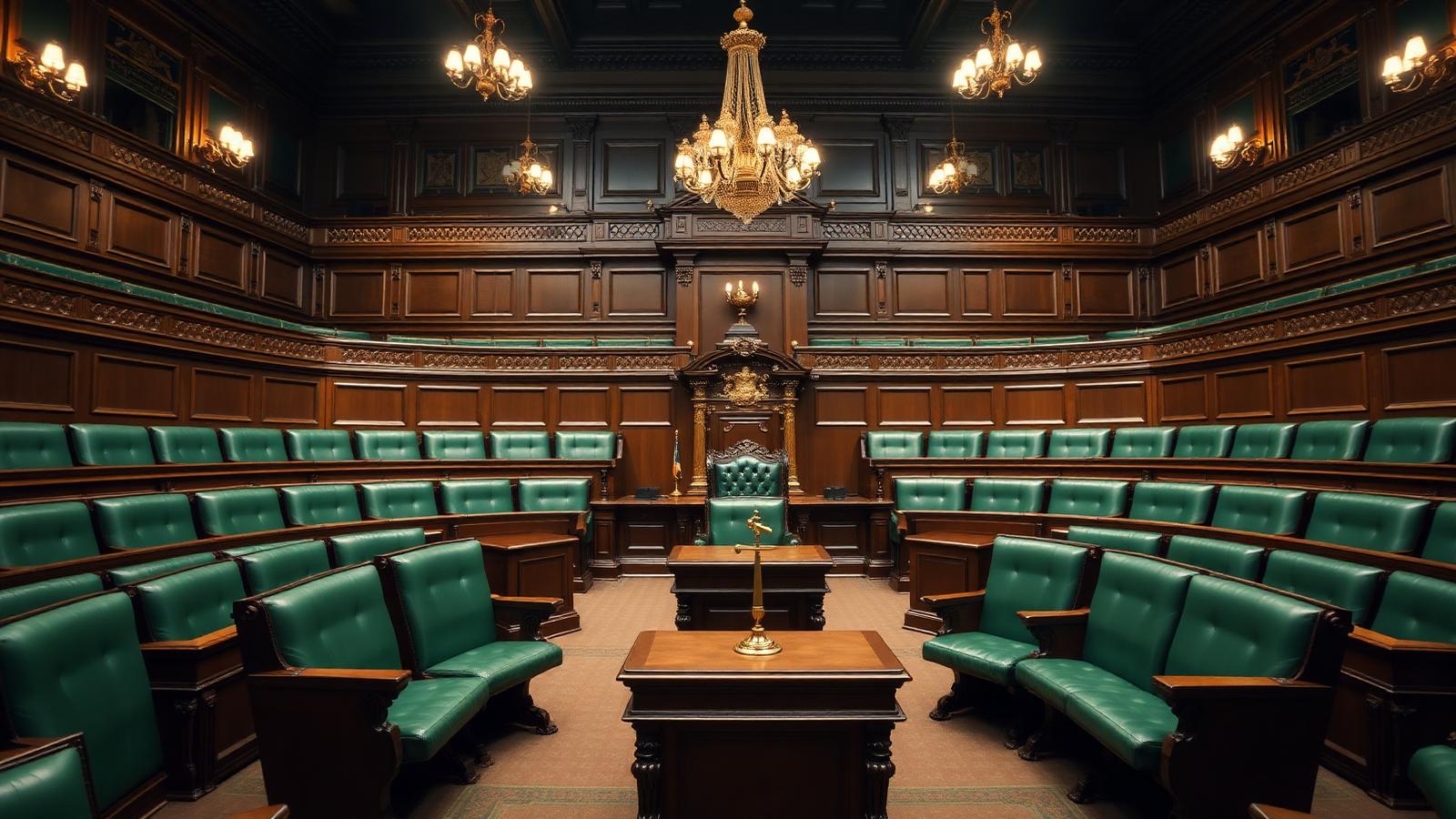
Understanding Jamaica's Parliamentary System
Jamaica's Parliament is the foundation of the country's constitutional democracy. This publication explains how it is structured, how power is distributed, and where to read the primary documents that define it.
The Caribbean Current · Jun 16, 2026 · 10 min read
Understanding Government Accountability
Accountability is what turns a government into a government of laws. This publication explains the institutions that hold public officials in Jamaica accountable and points to the primary reports every citizen ought to read.
The Caribbean Current · Jul 16, 2026 · 10 min read
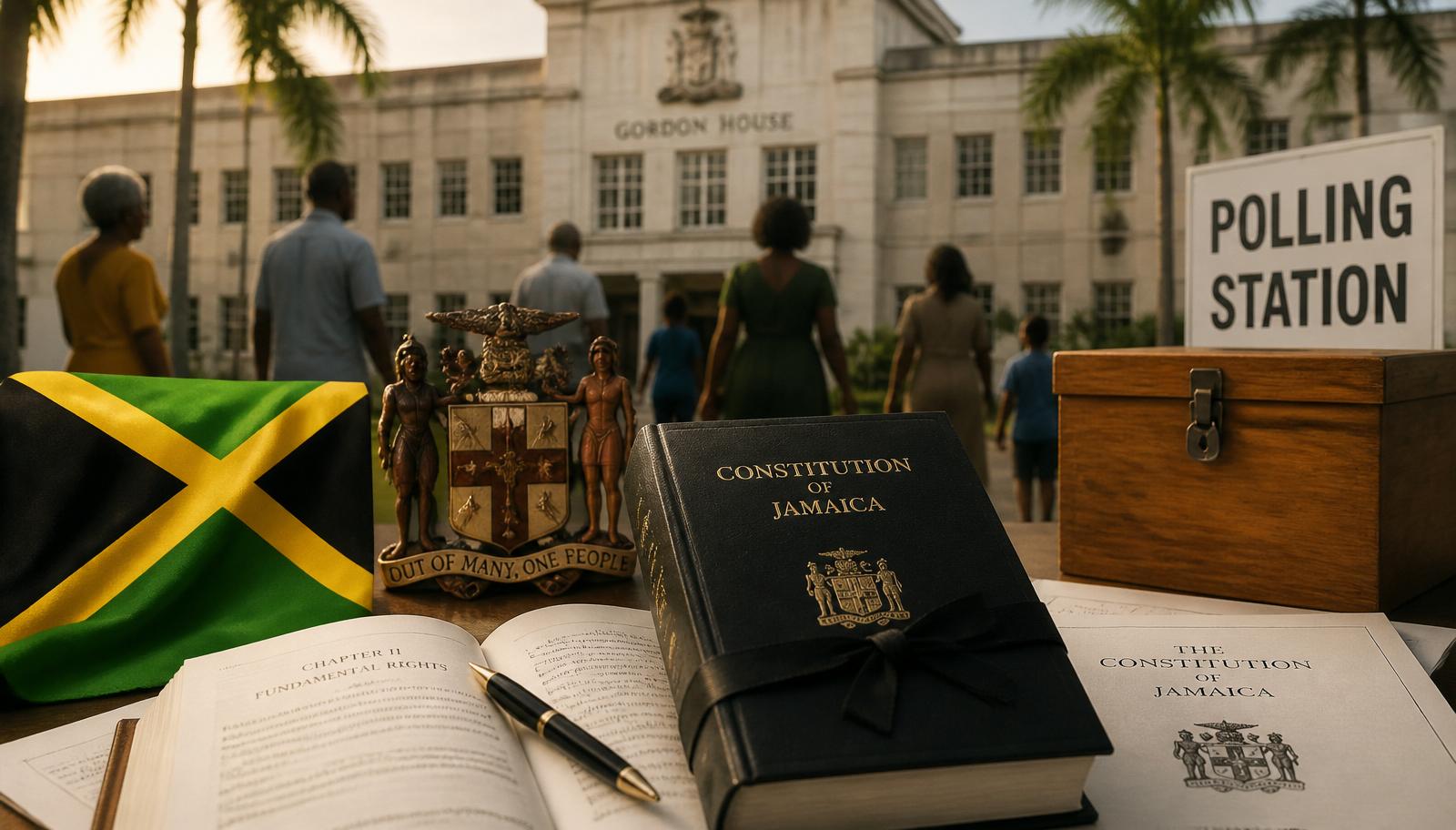
Civics 101: Understanding Government, Politics and Civic Life in Jamaica
A foundational, politically neutral guide to how Jamaica is governed — the Constitution, Parliament, the courts, elections, political ideologies and the everyday rights and responsibilities of citizens.
The Caribbean Current · Jul 24, 2026 · 32 min read