Understanding Government Accountability
Accountability is what turns a government into a government of laws. This publication explains the institutions that hold public officials in Jamaica accountable and points to the primary reports every citizen ought to read.
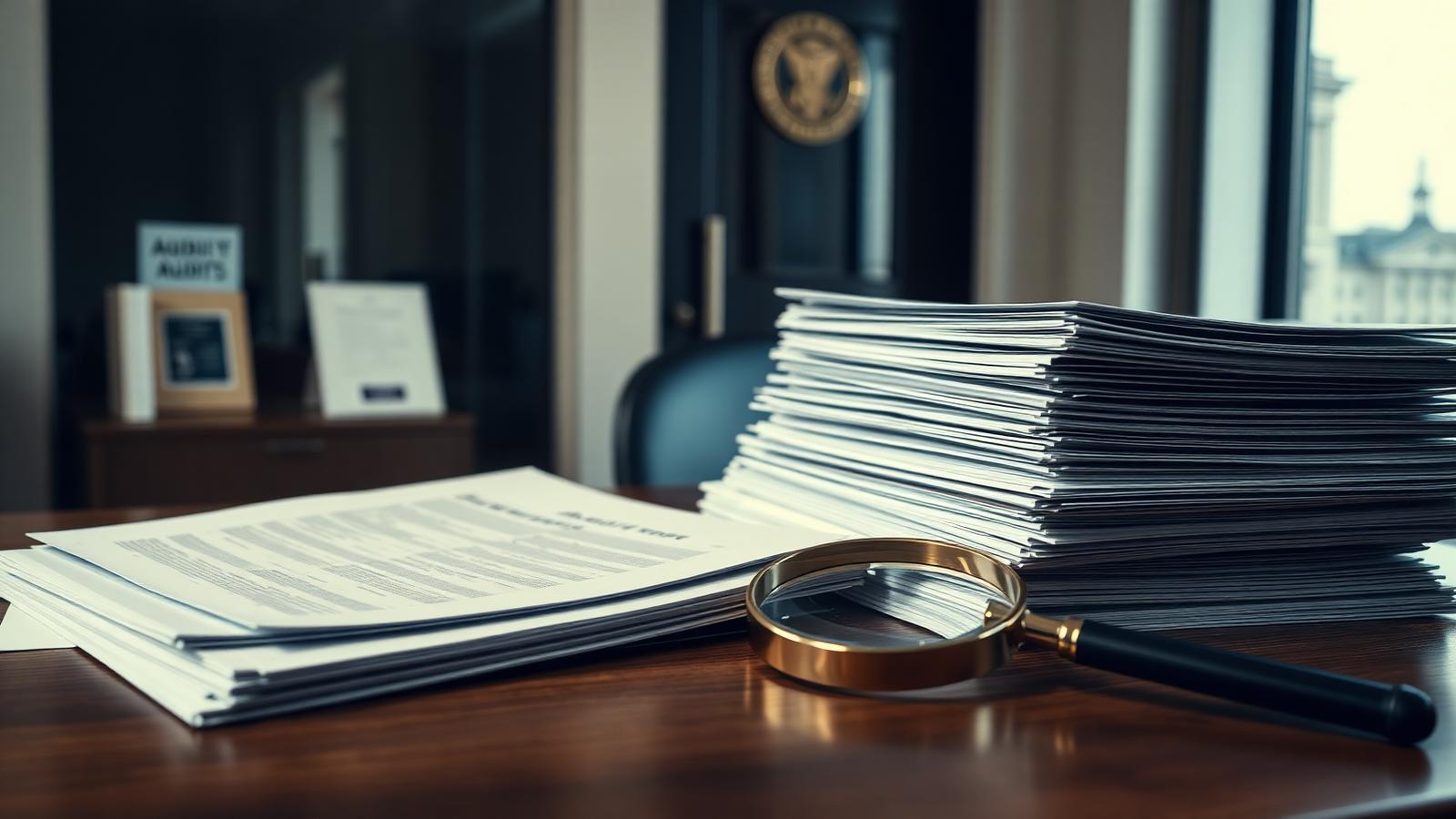
Accountability is what distinguishes a government of laws from a government of individuals. It is the set of institutional practices through which public officials answer for how they exercise the authority delegated to them by citizens. In modern democratic practice it depends on several overlapping mechanisms: legal, parliamentary, administrative, and — increasingly — informational.
This publication explains the principal accountability institutions in Jamaica: the Auditor General, the Integrity Commission, the Public Accounts Committee, and the wider system of parliamentary oversight. It focuses on what each does and where its reports can be read.
The Auditor General
The Auditor General is an independent constitutional office. The Auditor General's Department audits the accounts and operations of ministries, departments and public bodies, and reports to Parliament through the Speaker of the House of Representatives.
The Department produces several classes of report:
- The Auditor General's Report to Parliament, published annually, which is the flagship document on the state of public financial management.
- Performance audits, which examine whether specific programmes are delivering the results intended by Parliament.
- Special audits, commissioned in response to particular concerns.
All of these reports are public. They are one of the most important sources any citizen has for understanding what actually happens with public money.
The legal framework is set out in the Constitution and in the Financial Administration and Audit Act. The Auditor General is appointed by the Governor-General on the recommendation of the Prime Minister after consultation with the Leader of the Opposition, and holds office subject to constitutional protections that safeguard the independence of the position.
The Integrity Commission
The Integrity Commission was established under the Integrity Commission Act 2017, which consolidated three previous anti-corruption bodies. The Commission is responsible for the prevention, investigation and prosecution of acts of corruption in the public sector.
Its statutory functions include:
- Receiving and examining statutory declarations of assets, liabilities and income filed by parliamentarians and specified categories of public officials.
- Investigating alleged acts of corruption.
- Referring matters for prosecution where the evidence warrants.
- Publishing periodic reports on its activities.
The Commission's reports and public statements are one of the primary sources for understanding integrity in the Jamaican public sector.
The Public Accounts Committee
The Public Accounts Committee (PAC) is a standing committee of the House of Representatives, chaired by the Leader of the Opposition or a member of the Opposition designated by the Leader. Its principal role is to examine the reports of the Auditor General and to question senior public officials on the findings.
PAC hearings are public. They are one of the most direct opportunities citizens have to hear senior public officials answer, on the record, for how their ministries and agencies have used public resources. Transcripts are recorded in the Hansard of the Public Accounts Committee, which is published on the Parliament of Jamaica website.
The equivalent committee in the Senate — the Public Accounts and Public Administration Sector Committee — performs similar functions on Senate-related matters.
Parliamentary oversight more broadly
Beyond the PAC, Parliament exercises accountability through several other mechanisms:
- Question time in the House and Senate, when Ministers respond to questions from members.
- Sectoral debates on the Estimates of Expenditure, when Ministries are examined in detail before their budgets are approved.
- Sectoral committees, which examine policy in specific portfolio areas.
- Special select committees, which examine particular pieces of legislation or specific matters of public importance.
The Standing Orders of the two Houses set out the procedure for each of these mechanisms.
Why transparency matters
Accountability institutions matter because they change how public officials behave. The consistent lesson from comparative public administration research is that officials behave differently when their decisions are documented, published and examined by an independent institution, and that citizens are more willing to trust institutions that they know are examined regularly.
Transparency is not a slogan. It is a mechanism. In modern Jamaican governance, the Auditor General, the Integrity Commission, INDECOM, the Office of the Public Defender, the Access to Information regime and parliamentary committees together form the architecture through which transparency is delivered.
Reading the reports yourself
Every citizen has direct access to these reports. The Auditor General's Department, the Integrity Commission, the Parliament of Jamaica and the Ministry of Finance all publish extensively on their websites. Reading the primary reports — not just the commentary — is a foundational civic habit.
The Caribbean Current will continue to publish plain-language explainers on accountability institutions. A government works better when the citizens it serves know what to expect of it.
Sources & References
Verify every claim in this article
The Caribbean Current links to primary sources whenever possible. Direct links to official documents are marked below.
- Auditor General's Departmentgovernment
- Integrity Commissiongovernment
- Integrity Commission Act 2017primary
- Parliament of Jamaica — Committeesgovernment
- Financial Administration and Audit Actprimary
Related
More from The Caribbean Current
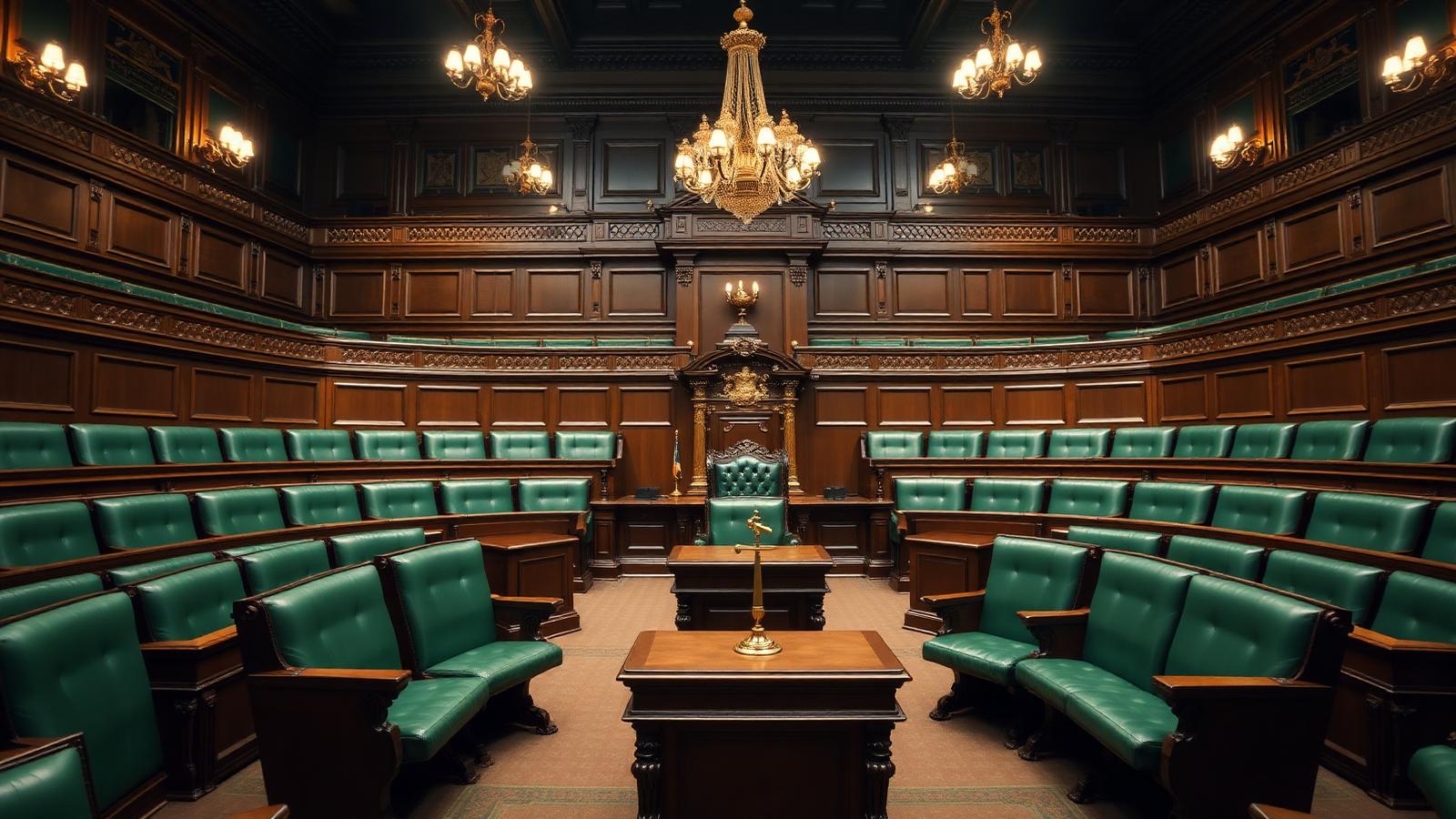
Understanding Jamaica's Parliamentary System
Jamaica's Parliament is the foundation of the country's constitutional democracy. This publication explains how it is structured, how power is distributed, and where to read the primary documents that define it.
The Caribbean Current · Jun 16, 2026 · 10 min read
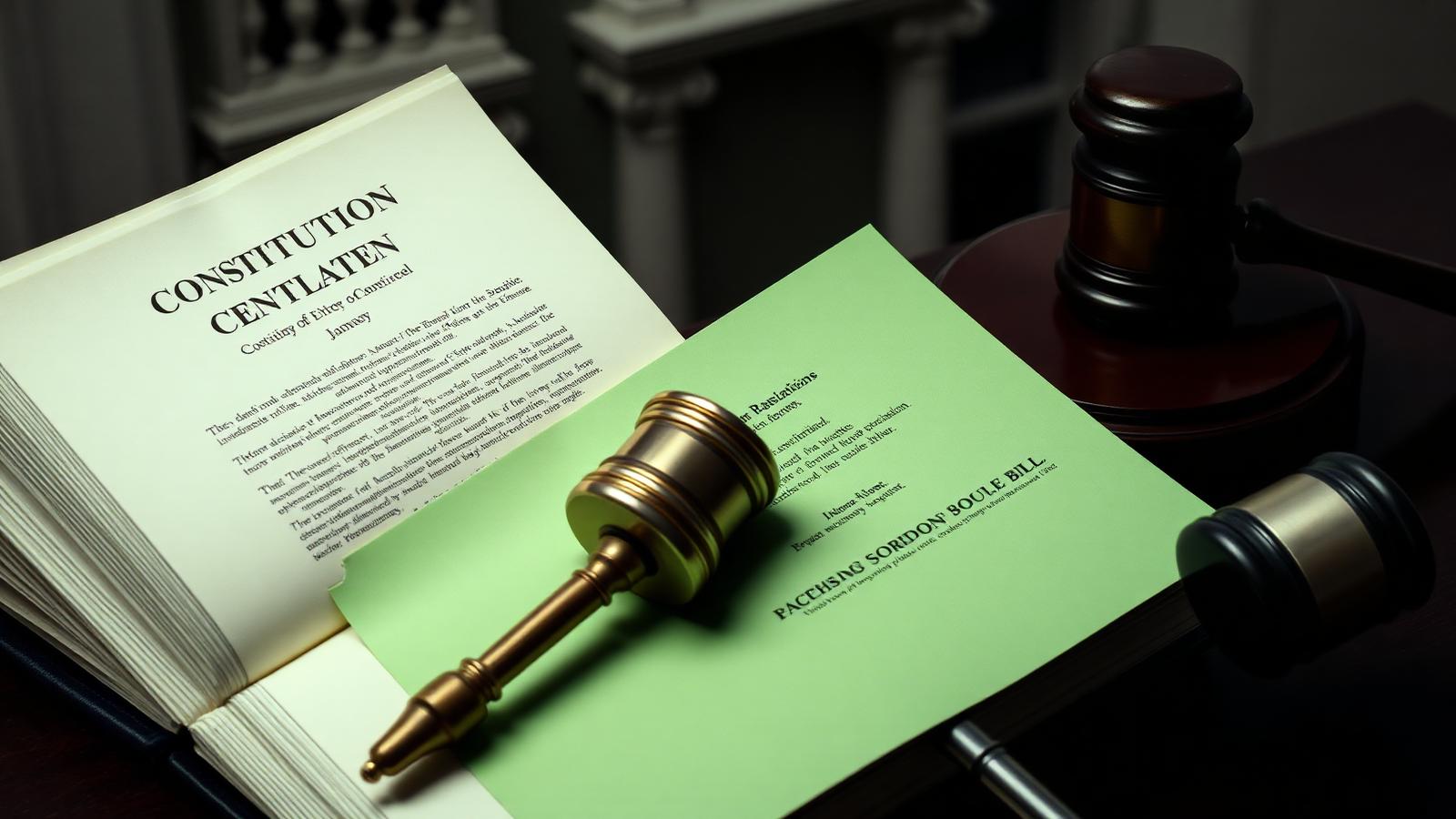
How Laws Are Made in Jamaica
Every law that governs life in Jamaica passes through the same procedure. This publication walks through the legislative process step by step, with references to the Constitution and the Standing Orders of Parliament.
The Caribbean Current · Jul 1, 2026 · 9 min read
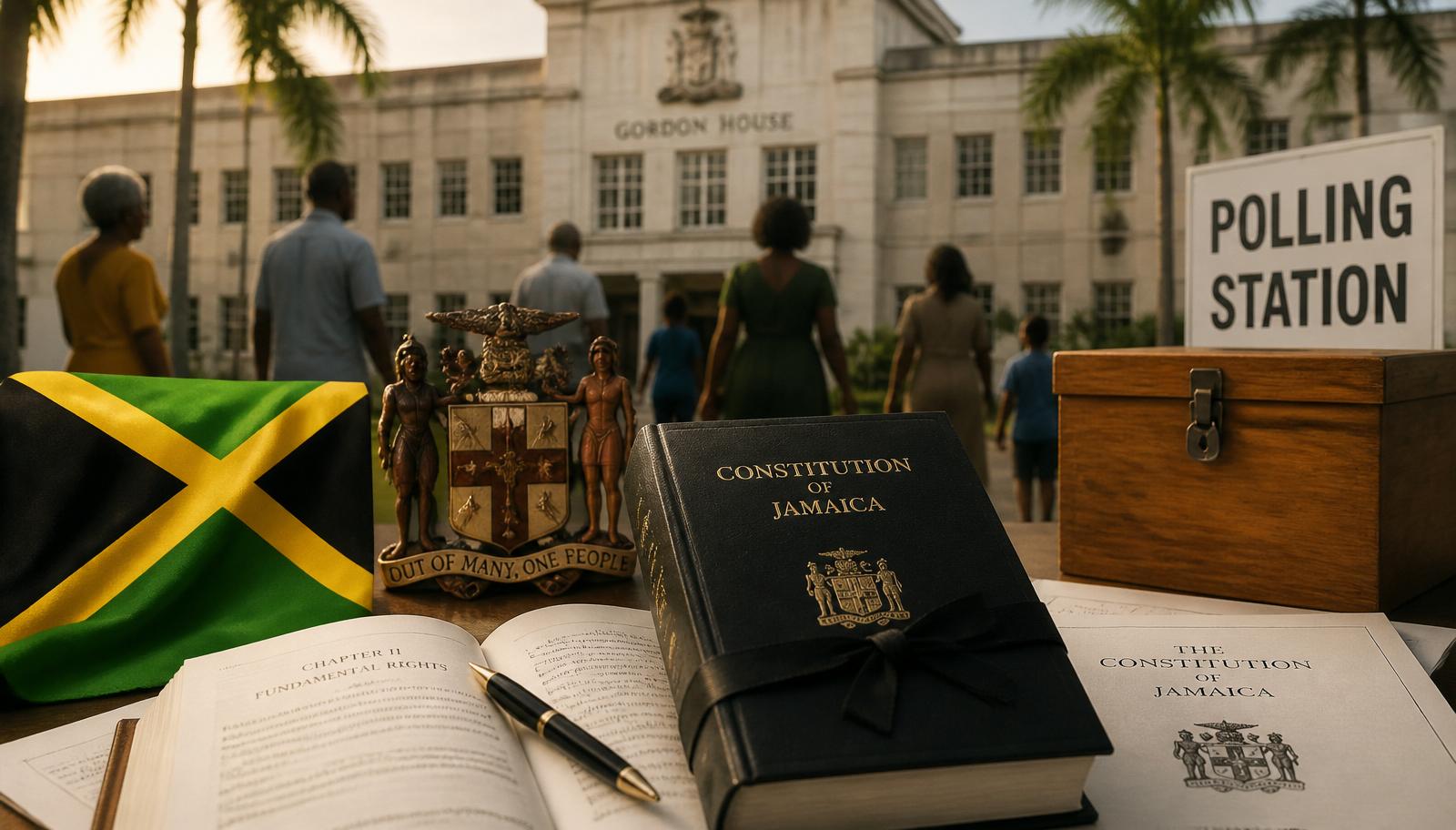
Civics 101: Understanding Government, Politics and Civic Life in Jamaica
A foundational, politically neutral guide to how Jamaica is governed — the Constitution, Parliament, the courts, elections, political ideologies and the everyday rights and responsibilities of citizens.
The Caribbean Current · Jul 24, 2026 · 32 min read