
Understanding Jamaica's Economy
Jamaica's economy is small, open and diverse. This publication maps the sectors that produce the country's output and points to the official sources every citizen should know how to read.
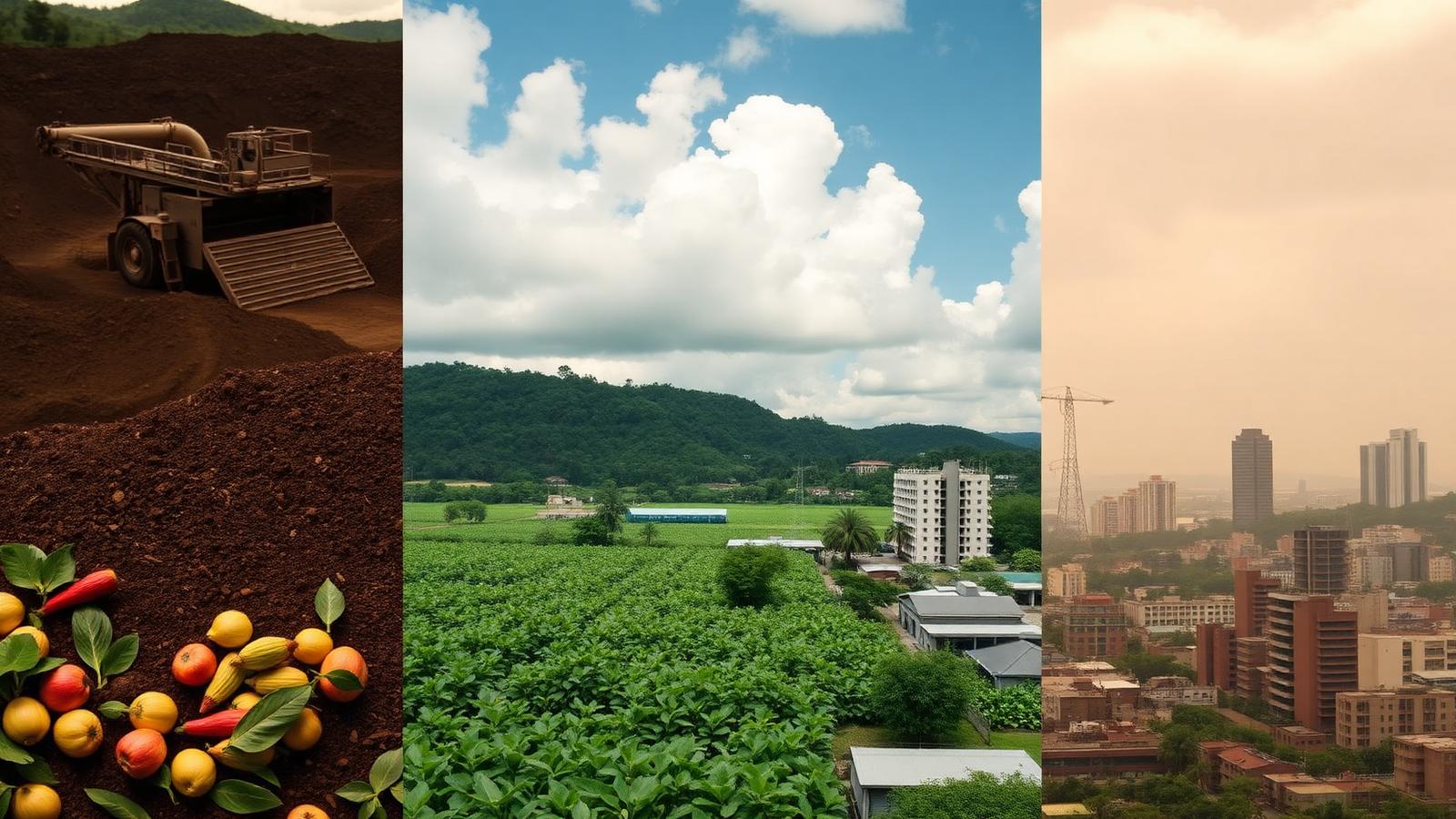
An economy is not a mystery. It is the sum of what a country produces, sells and buys. Understanding Jamaica's economy begins with the same three questions that apply to any economy: what does the country produce, who consumes it, and where does the money come from and go?
This publication is a plain-language guide to Jamaica's economic structure. It does not forecast. It maps. Every headline claim can be verified in the official statistics published by the Statistical Institute of Jamaica (STATIN), the Planning Institute of Jamaica (PIOJ), the Bank of Jamaica (BOJ) and the Ministry of Finance and the Public Service.
The shape of the economy
Jamaica is a small open economy. That phrase — used routinely in official publications — has two components. It is small in absolute size compared with major economies, and it is open in the sense that international trade and international finance are large relative to domestic activity. Both facts have policy consequences.
STATIN publishes quarterly and annual GDP releases that break output down by industry. Those releases — not political speeches — are the primary source for the composition of the economy.
Services dominate
The Jamaican economy, like most modern economies, is services-led. The single largest contribution to output over the past several decades has come from services: hotels and restaurants, distribution, financial services, transport, communication and government services. This is the pattern documented year after year in STATIN's national accounts.
Within services, tourism is the sector most often discussed in public debate, and rightly so.
Tourism
Tourism is one of Jamaica's largest foreign exchange earners. The Jamaica Tourist Board reports arrivals and expenditure; the Bank of Jamaica reports the resulting foreign exchange flows. Tourism supports employment across accommodation, food services, attractions, ground transportation and a wide supply chain of local producers.
Tourism is also volatile. It is sensitive to global economic conditions, to hurricanes and to shocks such as pandemics. That volatility is one reason economic diversification remains a stated national development priority.
Agriculture
Agriculture — including forestry and fishing — accounts for a smaller share of GDP than services, but a much larger share of employment in rural parishes. Key sub-sectors include traditional export crops (sugar, coffee, cocoa, spices), domestic food crops and livestock, and higher-value niches such as Jamaica Blue Mountain coffee, whose geographic indication is legally protected.
Agriculture is also central to food security. When international food and shipping prices rise, domestic production takes on strategic importance.
Mining
Mining, historically dominated by bauxite and alumina, has been a major foreign exchange earner for Jamaica since the mid-twentieth century. Output and prices are cyclical, and shifts in global aluminium demand feed directly into Jamaican export earnings.
The environmental and community dimensions of bauxite mining — land use, dust, water and post-mining rehabilitation — are increasingly part of the national policy conversation, and the National Environment and Planning Agency publishes the relevant permits and monitoring reports.
Manufacturing
Manufacturing is a smaller share of Jamaican GDP than either services or mining, but it is an important sector for employment and for the domestic supply chain. Food and beverage processing, chemical products, non-metallic minerals and light manufacturing all feature in STATIN's industry-level accounts.
Foreign investment and remittances
Two flows deserve particular attention because they are large relative to the size of the economy: remittances and foreign direct investment.
The Bank of Jamaica publishes monthly remittance inflow data. Remittances — money sent home by Jamaicans living abroad — are consistently one of the largest sources of foreign exchange for the country and a stabilising element in household incomes.
Foreign direct investment is tracked in the Balance of Payments Statistics published by the Bank of Jamaica. Historically, tourism, mining and business process outsourcing have attracted significant inflows.
Reading the numbers yourself
The most important habit for any citizen interested in the economy is to read the primary data. Four institutions publish nearly everything of consequence:
- STATIN publishes the national accounts, labour force, consumer price index and external trade statistics.
- The Planning Institute of Jamaica publishes the Economic and Social Survey Jamaica, the country's most comprehensive annual review.
- The Bank of Jamaica publishes monetary, financial stability, balance of payments and remittance data.
- The Ministry of Finance and the Public Service publishes the Fiscal Policy Paper, Estimates of Expenditure and quarterly fiscal reports.
These are all public. They are not always easy to read on first pass, but they are always more reliable than commentary that does not cite them.
What this publication does not do
This publication does not endorse a particular economic strategy. Its purpose is to describe the structure of the economy accurately and to point readers to the primary sources they can consult themselves. The Caribbean Current will continue to publish evidence-based coverage of economic policy, always separating fact from opinion.
Sources & References
Verify every claim in this article
The Caribbean Current links to primary sources whenever possible. Direct links to official documents are marked below.
- Statistical Institute of Jamaica (STATIN)government
- Planning Institute of Jamaica (PIOJ)government
- Bank of Jamaicagovernment
- Ministry of Finance and the Public Servicegovernment
- Jamaica Tourist Board — Statisticsgovernment
Related
More from The Caribbean Current
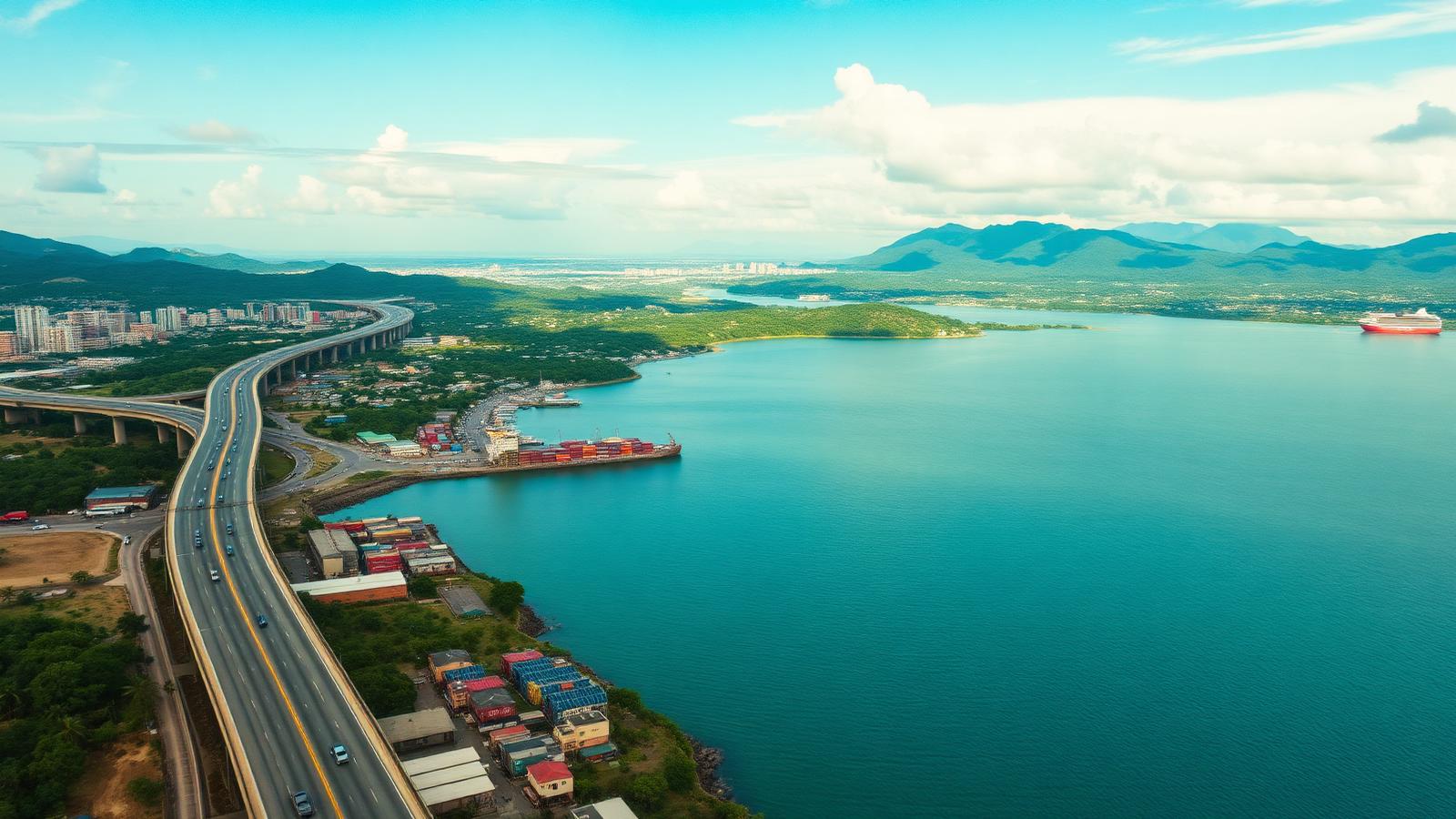
Can Jamaica Become the Pearl of the Caribbean Again?
The phrase 'Pearl of the Caribbean' belongs to a particular moment in Jamaica's history. This publication examines what that phrase actually described, where the country stands today and what a credible strategy for renewal would require.
The Caribbean Current · Jul 4, 2026 · 12 min read
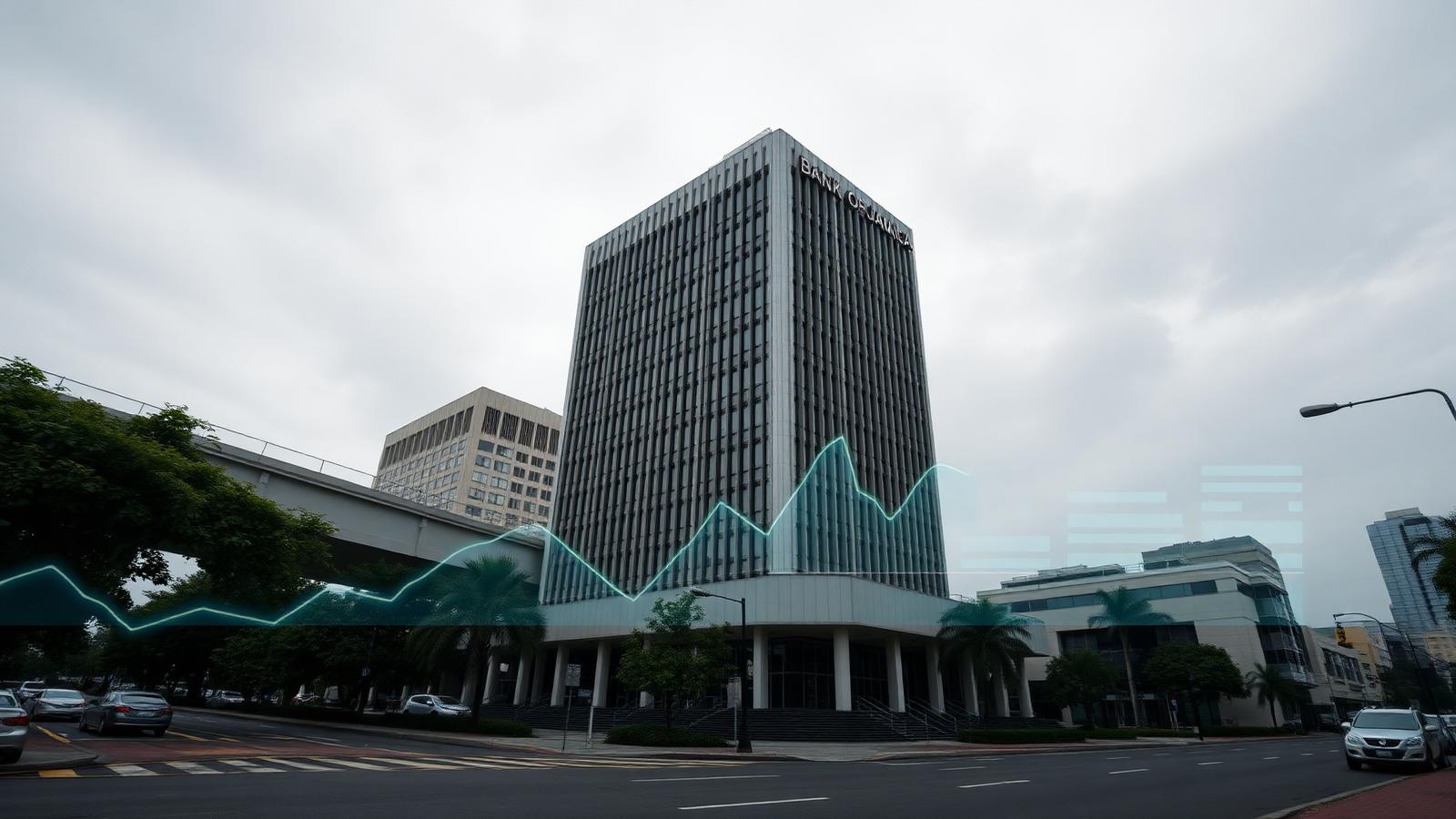
Public Debt and National Development
Public debt is one of the most consequential economic policy questions any country faces. This publication explains how debt, fiscal responsibility and national development interact in Jamaica.
The Caribbean Current · Jul 19, 2026 · 10 min read
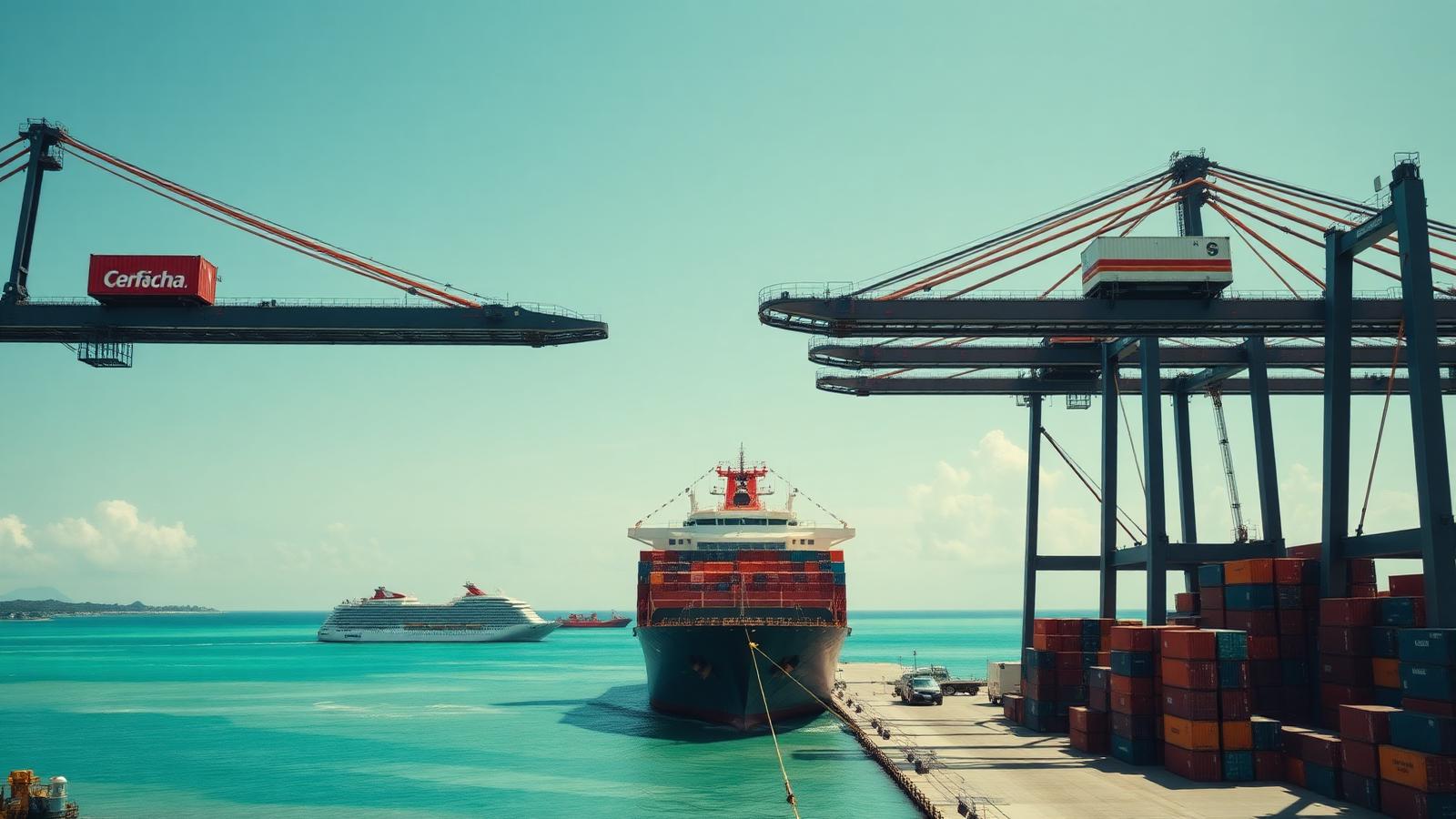
The Caribbean in the Global Economy
The Caribbean is a small collection of economies in a large and often turbulent global system. This publication maps how the region fits into the global economy and where the primary evidence lives.
The Caribbean Current · Jul 23, 2026 · 10 min read