
Public Debt and National Development
Public debt is one of the most consequential economic policy questions any country faces. This publication explains how debt, fiscal responsibility and national development interact in Jamaica.
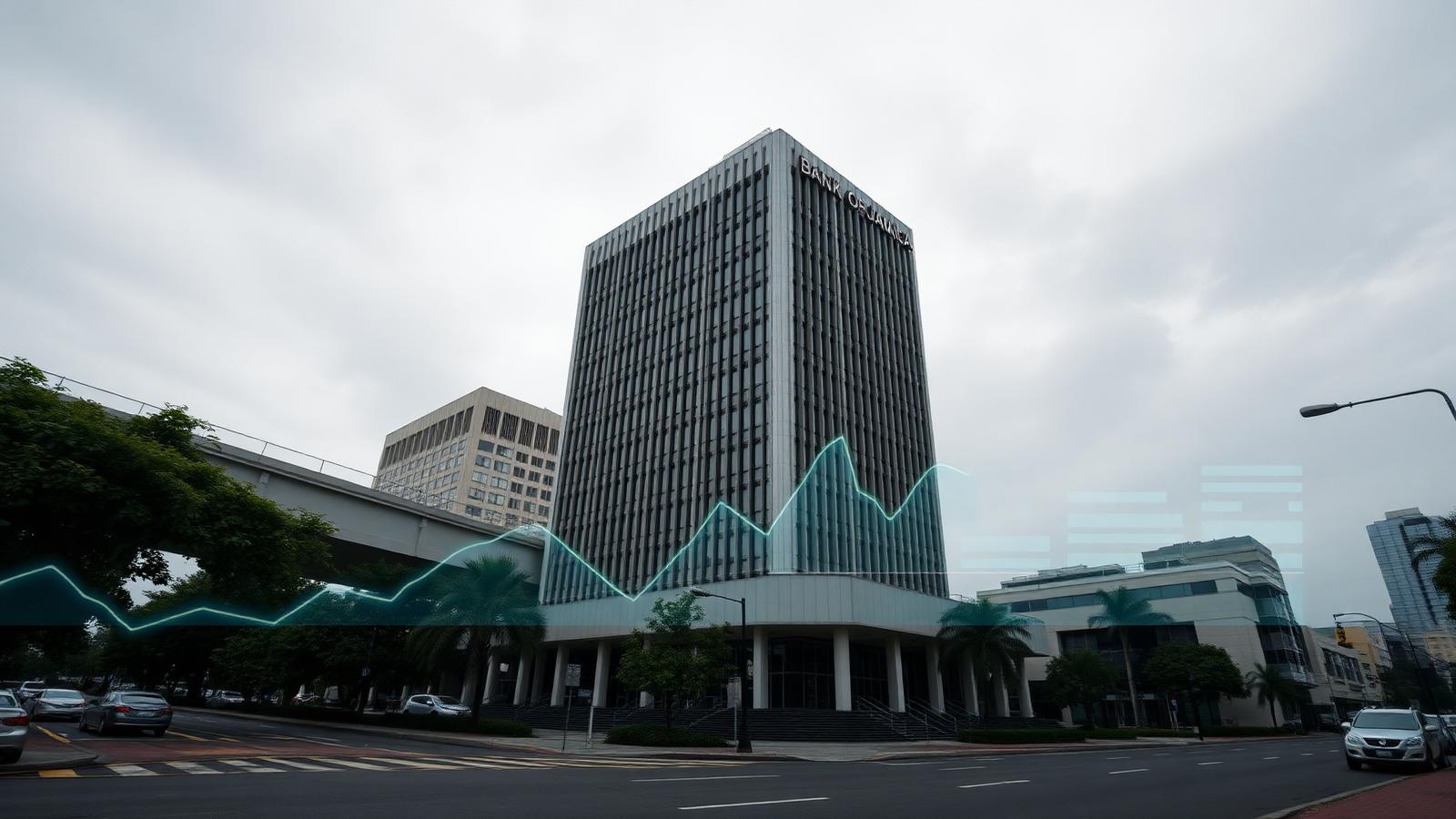
Public debt is one of the most consequential economic policy questions any country faces. Debt that is well used and sustainably managed can finance the infrastructure, education and institutions on which long-term development depends. Debt that grows faster than the economy that must service it can, over time, crowd out the very investments a country needs.
This publication explains how public debt, fiscal responsibility and national development interact in Jamaica. It focuses on the institutional framework and the primary data.
What public debt is
Public debt is money the government owes. It is issued in two main forms: domestic debt, which is owed to lenders inside the country (typically banks, pension funds and other institutional investors), and external debt, which is owed to lenders outside the country (typically multilateral institutions, bilateral partners and international bond markets).
Debt is normally measured relative to the size of the economy — as a ratio of GDP — so that its size can be compared across countries and time periods. The Bank of Jamaica and the Ministry of Finance and the Public Service publish current and historical figures for Jamaica.
The Jamaican trajectory
For much of the late twentieth century and early twenty-first century Jamaica ran high fiscal deficits and accumulated public debt at a rate that outpaced economic growth. By the early 2010s, Jamaica's public debt-to-GDP ratio was one of the highest in the world.
That reality drove the fiscal reform programme that began with the Extended Fund Facility agreed with the International Monetary Fund in 2013 and continued under successive administrations, culminating in a substantial fall in the debt-to-GDP ratio. The reform included:
- A sustained primary surplus target as a share of GDP, protected by legislation.
- A domestic debt exchange to lengthen maturities and reduce interest costs.
- Institutional strengthening in the Ministry of Finance and the Bank of Jamaica.
- A commitment to publishing detailed fiscal information regularly.
The trajectory of the debt ratio is one of the most-cited examples of a successful medium-term fiscal consolidation in the international policy literature. International lenders, credit rating agencies and independent research institutions have documented the improvement in successive reports.
Fiscal responsibility as an institution
The Jamaican fiscal reforms institutionalised what had previously been a policy commitment. Fiscal responsibility legislation, adherence to a fiscal rule, publication of the annual Fiscal Policy Paper and its supporting documents, and quarterly reporting on fiscal outturns are now standard practice.
The Independent Fiscal Commission was established under the Fiscal Council Act 2020 to provide independent analysis of fiscal policy and to assess compliance with the fiscal rule. Its reports are public.
The purpose of institutionalising fiscal responsibility is to make good decisions harder to reverse. A rule that requires a primary surplus and is subject to independent monitoring is more durable than a political commitment that ends with a change of administration.
The relationship with development
Fiscal responsibility is not an end in itself. It is a means of preserving the space to invest. A country whose debt service consumes a disproportionate share of its budget has correspondingly less room to invest in schools, hospitals, transport, water, energy and the other physical and human capital that development requires.
The strongest empirical work on public investment and growth — from the IMF, the World Bank and the Inter-American Development Bank — is consistent in its findings that well-targeted infrastructure investment, combined with fiscal sustainability, produces the strongest development outcomes over decade-scale horizons.
Jamaica's post-2013 policy trajectory is best understood in that frame. The purpose of the fiscal consolidation was not to shrink the state; it was to make the state capable of sustaining higher investment over the medium term.
What comes next
The policy conversation about public debt in Jamaica is not settled. Serious analysts continue to debate the appropriate primary surplus target as the debt ratio approaches lower levels, the balance between paying down debt and financing capital investment, the design of the fiscal rule in extreme events such as hurricanes, and the role of climate-linked financing in a small island state.
These are real debates worth engaging seriously. They should be conducted with the primary evidence in hand — the Fiscal Policy Paper, the Independent Fiscal Commission's assessments, the Bank of Jamaica's debt bulletins and the IMF's Article IV reports. All are public.
The Caribbean Current will continue to publish evidence-based coverage of fiscal policy. Understanding how public debt works is one of the most useful things a citizen can know about how their country actually operates.
Sources & References
Verify every claim in this article
The Caribbean Current links to primary sources whenever possible. Direct links to official documents are marked below.
Related
More from The Caribbean Current

Understanding Jamaica's Economy
Jamaica's economy is small, open and diverse. This publication maps the sectors that produce the country's output and points to the official sources every citizen should know how to read.
The Caribbean Current · Jun 19, 2026 · 10 min read

Can Jamaica Become the Pearl of the Caribbean Again?
The phrase 'Pearl of the Caribbean' belongs to a particular moment in Jamaica's history. This publication examines what that phrase actually described, where the country stands today and what a credible strategy for renewal would require.
The Caribbean Current · Jul 4, 2026 · 12 min read

Education and National Development
No modern country has prospered without investing in its people. This publication examines the relationship between education and national development in Jamaica, and points to the primary sources that govern the sector.
The Caribbean Current · Jun 22, 2026 · 9 min read