Can Jamaica Become the Pearl of the Caribbean Again?
The phrase 'Pearl of the Caribbean' belongs to a particular moment in Jamaica's history. This publication examines what that phrase actually described, where the country stands today and what a credible strategy for renewal would require.
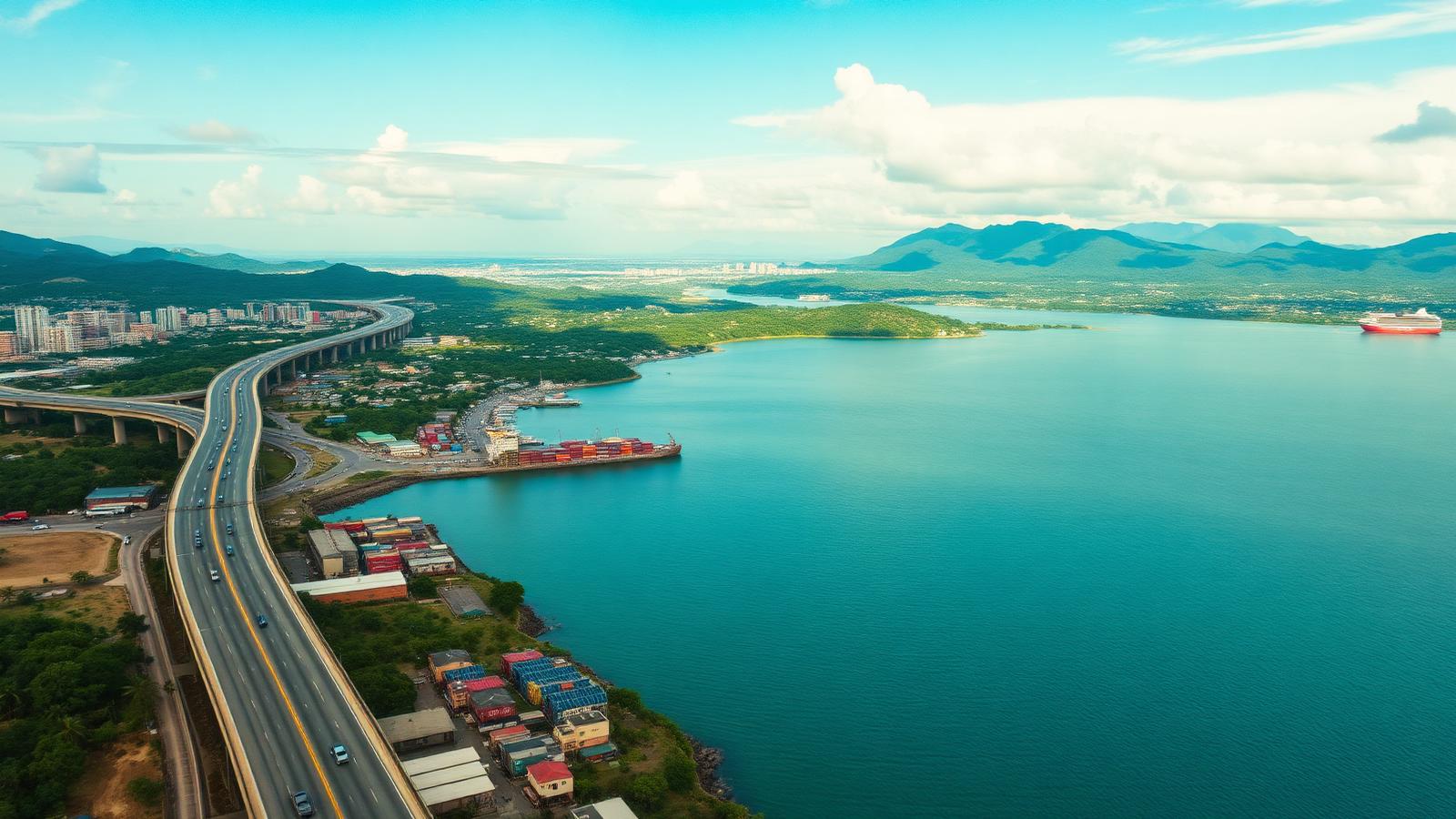
"The Pearl of the Caribbean" is a phrase that Jamaicans use with a particular mix of pride and unease. It belongs to a period when Jamaica was among the wealthiest and most influential small states in the region, and it invites a comparison with the present that many people find uncomfortable.
This publication takes the question seriously. It sets out what the phrase actually described, examines the current fundamentals of the Jamaican economy and asks what a credible strategy for renewal would require. It is analysis, not opinion, and its factual claims can be verified in the sources listed at the end.
What the phrase actually described
In the middle decades of the twentieth century, Jamaica was one of the most industrialised and internationally connected economies in the Anglophone Caribbean. Bauxite mining, tourism, a diversified agricultural sector, remittances and a growing manufacturing base combined to produce sustained growth in the postwar period and the years immediately before and after independence in 1962.
The Planning Institute of Jamaica and STATIN publish historical national accounts data going back decades. The pattern they show is real. Jamaica in the early 1970s had a GDP per capita that was among the highest in the developing world.
What happened next
From the mid-1970s onward Jamaica's growth performance weakened. A series of overlapping shocks — the two global oil shocks of the 1970s, the collapse of international bauxite prices in the 1980s, structural adjustment programmes negotiated with international lenders, and the accumulation of public debt — combined to produce two decades in which the Jamaican economy grew slowly or not at all.
By the early 2010s, Jamaica's public debt-to-GDP ratio was one of the highest in the world. That reality drove the fiscal reform programme that began with the 2013 Extended Fund Facility with the International Monetary Fund, was continued under successive administrations, and produced the fiscal turnaround that international observers have repeatedly acknowledged.
Where the country stands today
Any honest assessment of the current fundamentals rests on the primary data published by STATIN, the PIOJ, the Bank of Jamaica and the Ministry of Finance. Several features stand out:
- Public debt-to-GDP has fallen substantially from its early-2010s peak, reflecting sustained primary surpluses.
- Inflation has moved back into the Bank of Jamaica's target range following the global inflation shock of the early 2020s.
- Unemployment has trended down in the post-pandemic period and is at historically low levels by Jamaican standards.
- Foreign exchange reserves, expressed in months of import cover, have been comfortable through the recent international cycle.
- Real GDP growth remains modest by comparative developing-country standards.
The last point is the crux of the debate. Jamaica has fixed the fiscal architecture; the question is whether it can grow.
The constraints
Economic literature on Caribbean development is unusually consistent in its diagnosis of the constraints on Caribbean growth:
- Small domestic market size and openness to international shocks.
- Vulnerability to hurricanes and other climate hazards.
- Historically high crime rates, which affect both investor confidence and human capital retention.
- Skills mismatches in the labour market.
- Infrastructure gaps in transport, water and energy.
- Migration of skilled workers to larger economies.
These constraints are not unique to Jamaica, but their combination is distinctive.
What a credible strategy would require
The strongest strand of Caribbean development scholarship — reflected in publications from the University of the West Indies, the Inter-American Development Bank and the World Bank — identifies a small set of policy areas that consistently emerge as necessary conditions for higher, sustained growth:
- Continued fiscal responsibility, including durable debt management rules.
- Substantial investment in education and skills, particularly in areas linked to tradable services.
- Sustained investment in energy transition and infrastructure resilience.
- Reduction in violent crime and improvement in the everyday functioning of public safety institutions.
- Regulatory reforms that reduce the time and cost of doing business.
- Diversification within tourism and beyond it.
None of these is glamorous. All are necessary.
The role of the reader
The purpose of this publication is not to prescribe a specific programme. It is to make the underlying evidence legible so that citizens can hold the political debate to that evidence. The primary sources are freely available and increasingly well presented online.
The Caribbean Current does not endorse candidates or parties. It publishes evidence-based analysis and clearly labels opinion when it publishes opinion. On the question posed in the title of this publication — whether Jamaica can become the Pearl of the Caribbean again — the honest answer is that it depends on decisions that Jamaicans themselves will make in the years ahead, and that those decisions should be made with the primary evidence in hand.
Sources & References
Verify every claim in this article
The Caribbean Current links to primary sources whenever possible. Direct links to official documents are marked below.
- Planning Institute of Jamaica — Economic and Social Survey Jamaicagovernment
- Statistical Institute of Jamaica (STATIN)government
- Bank of Jamaica — Statisticsgovernment
- Ministry of Finance — Fiscal Policy Papergovernment
- International Monetary Fund — Jamaica country pageprimary
- World Bank — Jamaica country pageprimary
Related
More from The Caribbean Current
Understanding Jamaica's Economy
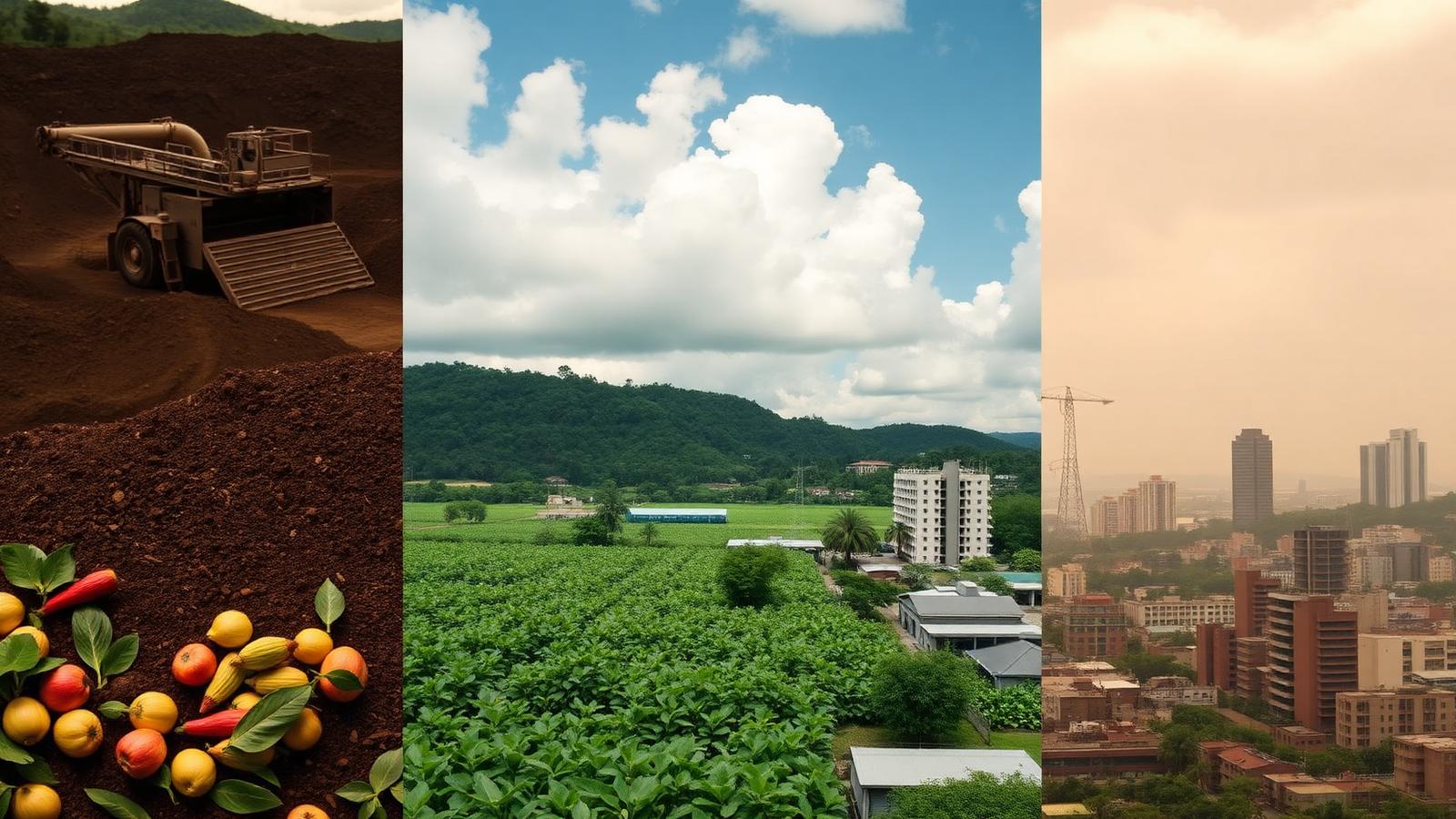
Jamaica's economy is small, open and diverse. This publication maps the sectors that produce the country's output and points to the official sources every citizen should know how to read.
The Caribbean Current · Jun 19, 2026 · 10 min read
Public Debt and National Development
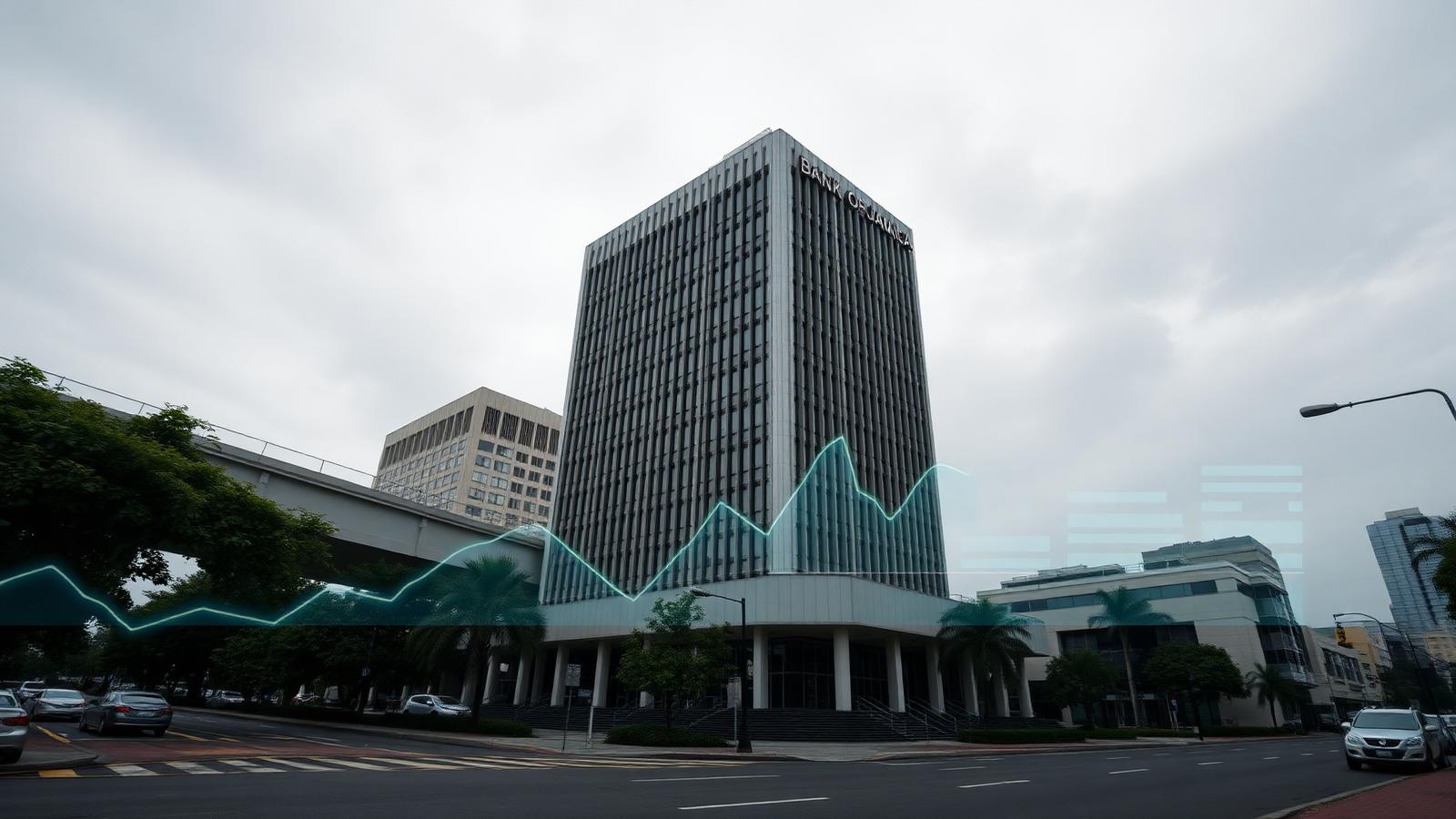
Public debt is one of the most consequential economic policy questions any country faces. This publication explains how debt, fiscal responsibility and national development interact in Jamaica.
The Caribbean Current · Jul 19, 2026 · 10 min read
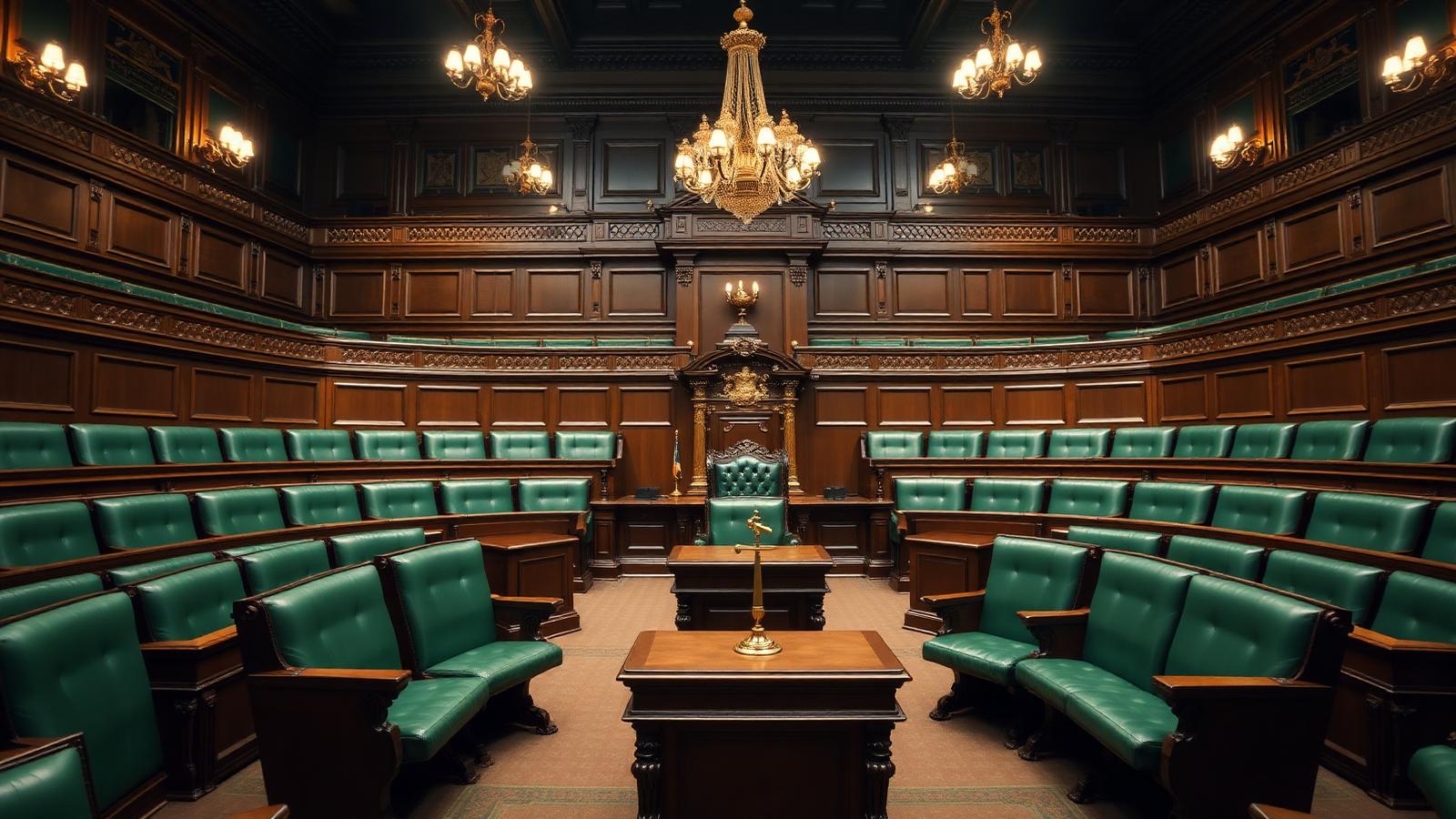
Understanding Jamaica's Parliamentary System
Jamaica's Parliament is the foundation of the country's constitutional democracy. This publication explains how it is structured, how power is distributed, and where to read the primary documents that define it.
The Caribbean Current · Jun 16, 2026 · 10 min read