The Road to Jamaican Independence
Jamaica became an independent nation on 6 August 1962. The road to that day was long and included the rise of universal adult suffrage, the West Indies Federation, and a sustained constitutional negotiation. This publication tells the story.
Jamaica became an independent nation on 6 August 1962. That date is inscribed on the national calendar, but the constitutional and political road to it stretches back at least a century. This publication traces that road — from colonial government under a Legislative Council, through the introduction of universal adult suffrage in 1944, the short-lived West Indies Federation, and the constitutional negotiations that produced the Jamaica (Constitution) Order in Council of 1962.
Colonial government
For most of the nineteenth century Jamaica was governed as a Crown Colony. Executive authority rested with the Governor, appointed by the Crown, advised by an Executive Council. Legislative authority was exercised by a Legislative Council, whose membership was largely nominated rather than elected. The franchise for the elected component of the Council was restricted by property and other qualifications that effectively excluded the vast majority of the adult population.
The Crown Colony system that consolidated after the Morant Bay Rebellion of 1865 removed the elected element of the earlier Assembly and centralised authority in the Governor and Council. Its social and political consequences are documented at length in Jamaican historical scholarship.
Universal adult suffrage
The pivotal constitutional event of the twentieth century in Jamaica was the introduction of universal adult suffrage in 1944 under a new Constitution granted by Britain in the aftermath of the labour disturbances of 1938. For the first time all adult Jamaicans could vote, regardless of income, property or literacy.
The 1944 Constitution created a bicameral legislature with a wholly elected House of Representatives and an appointed Legislative Council. It marked the beginning of representative government on a mass democratic basis in Jamaica and set the stage for the political parties that would carry the country toward independence.
The rise of the parties
The two political parties that have dominated modern Jamaican politics — the People's National Party, founded in 1938, and the Jamaica Labour Party, founded in 1943 — took shape in the years immediately before and after universal adult suffrage. Both had close links with the trade union movement that emerged from the disturbances of 1938. Both fielded candidates in the 1944 elections held under the new Constitution.
The West Indies Federation
The West Indies Federation, established on 3 January 1958, was an attempt to bring the British Caribbean territories into political union in advance of independence. It was, in its short life, one of the most ambitious integration projects the region has attempted.
The Federation faced immediate difficulties over the location of its capital, the funding of federal institutions, the terms of freedom of movement and the question of federal taxation. Jamaica held a referendum on continued membership in September 1961; the electorate voted to withdraw. Following Jamaica's withdrawal, Trinidad and Tobago also chose to pursue independence separately, and the Federation was formally dissolved on 31 May 1962.
Jamaica's decision to withdraw did not end the idea of Caribbean integration. It set the stage for a different model, which would eventually produce CARIFTA and CARICOM.
Constitutional development
Following the referendum on federation, negotiations with the British government moved rapidly. A Constitutional Conference at Lancaster House in February 1962 finalised the terms of Jamaican independence. Britain's Parliament enacted the Jamaica Independence Act 1962, and the constitutional instrument itself — the Jamaica (Constitution) Order in Council 1962 — took effect on 6 August 1962.
The Constitution established Jamaica as a constitutional monarchy with a parliamentary democracy modelled on the Westminster tradition, retaining the Queen as Head of State represented in Jamaica by a Governor-General. It set out a bicameral Parliament — a directly elected House of Representatives and an appointed Senate — and provided for an independent judiciary. It included, for the first time as a constitutional matter, a set of fundamental rights and freedoms.
The Constitution has been amended several times since 1962. Among the most significant amendments is the Charter of Fundamental Rights and Freedoms (Constitutional Amendment) Act 2011, which replaced the original bill of rights with a modernised charter.
Independence itself
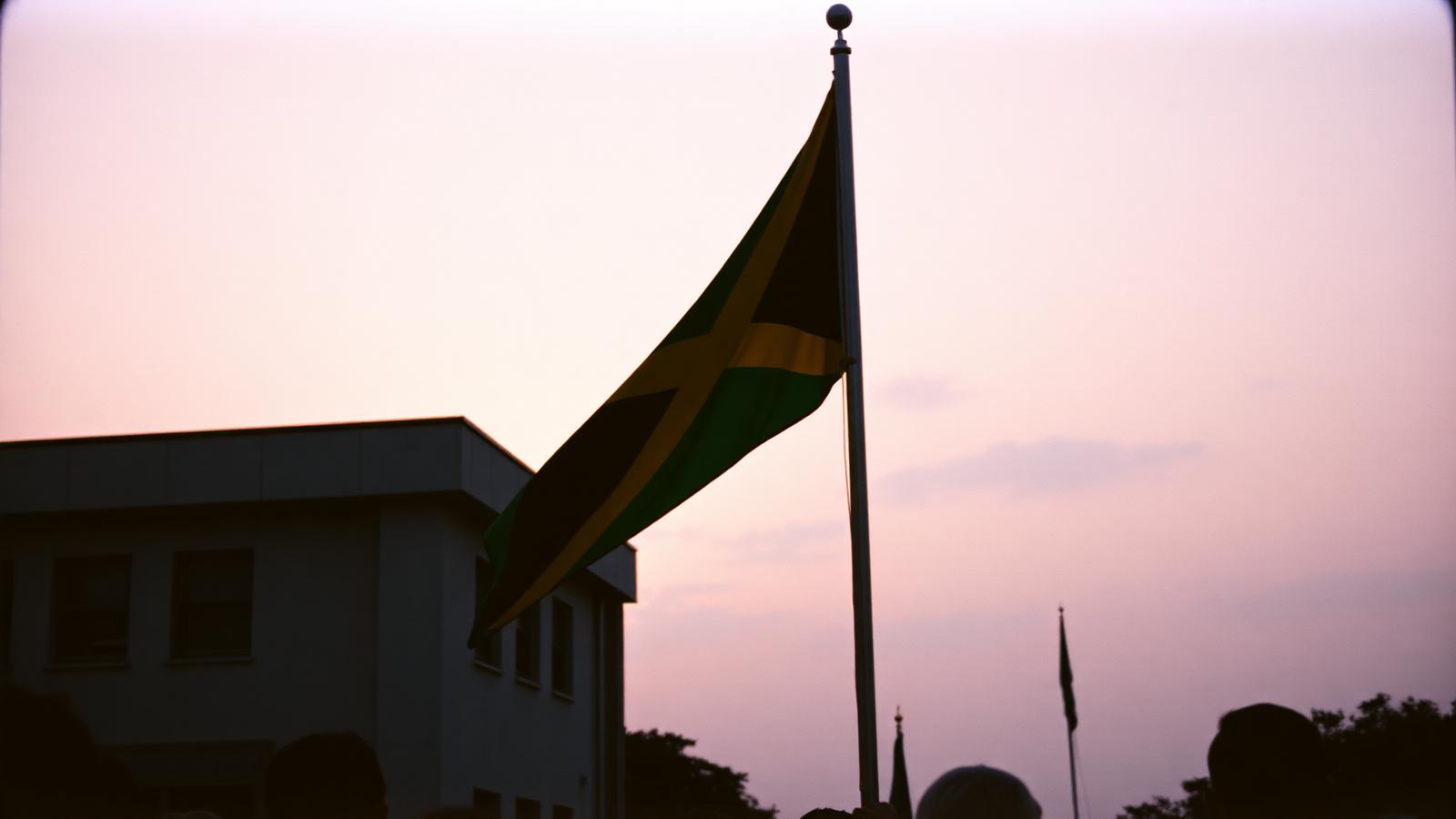
At midnight on 6 August 1962, at the National Stadium in Kingston, the Union Flag was lowered and the black, green and gold of the Jamaican flag was raised. Sir Alexander Bustamante, leader of the Jamaica Labour Party, was Prime Minister. Sir Kenneth Blackburne, the outgoing Governor, remained briefly to preside over the constitutional transition as the first Governor-General.
Formal independence marked the culmination of the constitutional road, not the end of the political conversation about what independence should mean.
Lasting significance
The road to independence gave Jamaica a working parliamentary democracy, a written Constitution, an independent judiciary and a national identity that continues to define the country's public life. The institutions it produced are the ones through which every subsequent political question in Jamaica has been debated and decided.
The Caribbean Current will continue to publish evidence-based history rooted in primary documents. Understanding the road to independence is one of the foundations of citizenship in the modern Jamaican state.
Sources & References
Verify every claim in this article
The Caribbean Current links to primary sources whenever possible. Direct links to official documents are marked below.
Related
More from The Caribbean Current
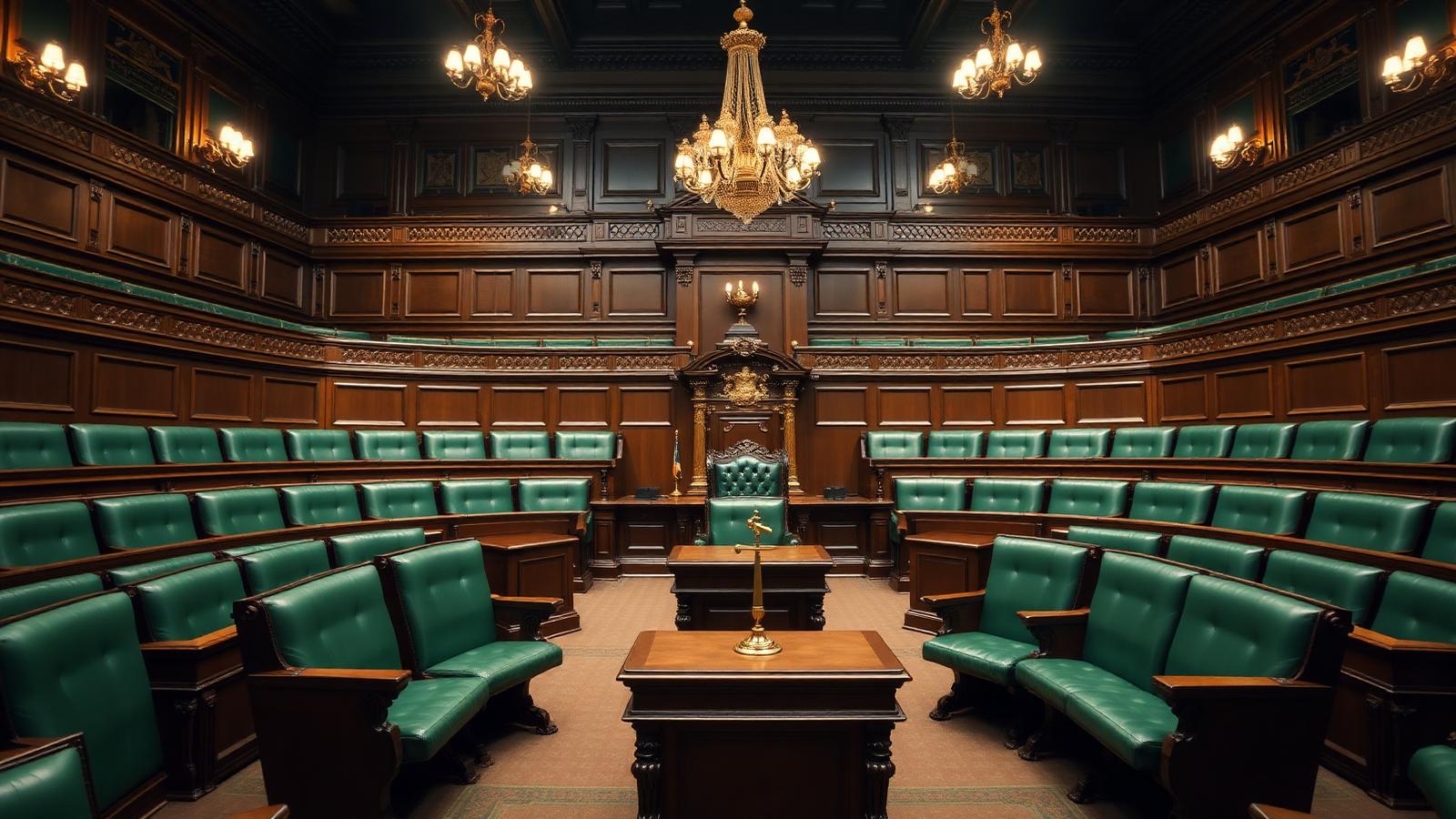
Understanding Jamaica's Parliamentary System
Jamaica's Parliament is the foundation of the country's constitutional democracy. This publication explains how it is structured, how power is distributed, and where to read the primary documents that define it.
The Caribbean Current · Jun 16, 2026 · 10 min read
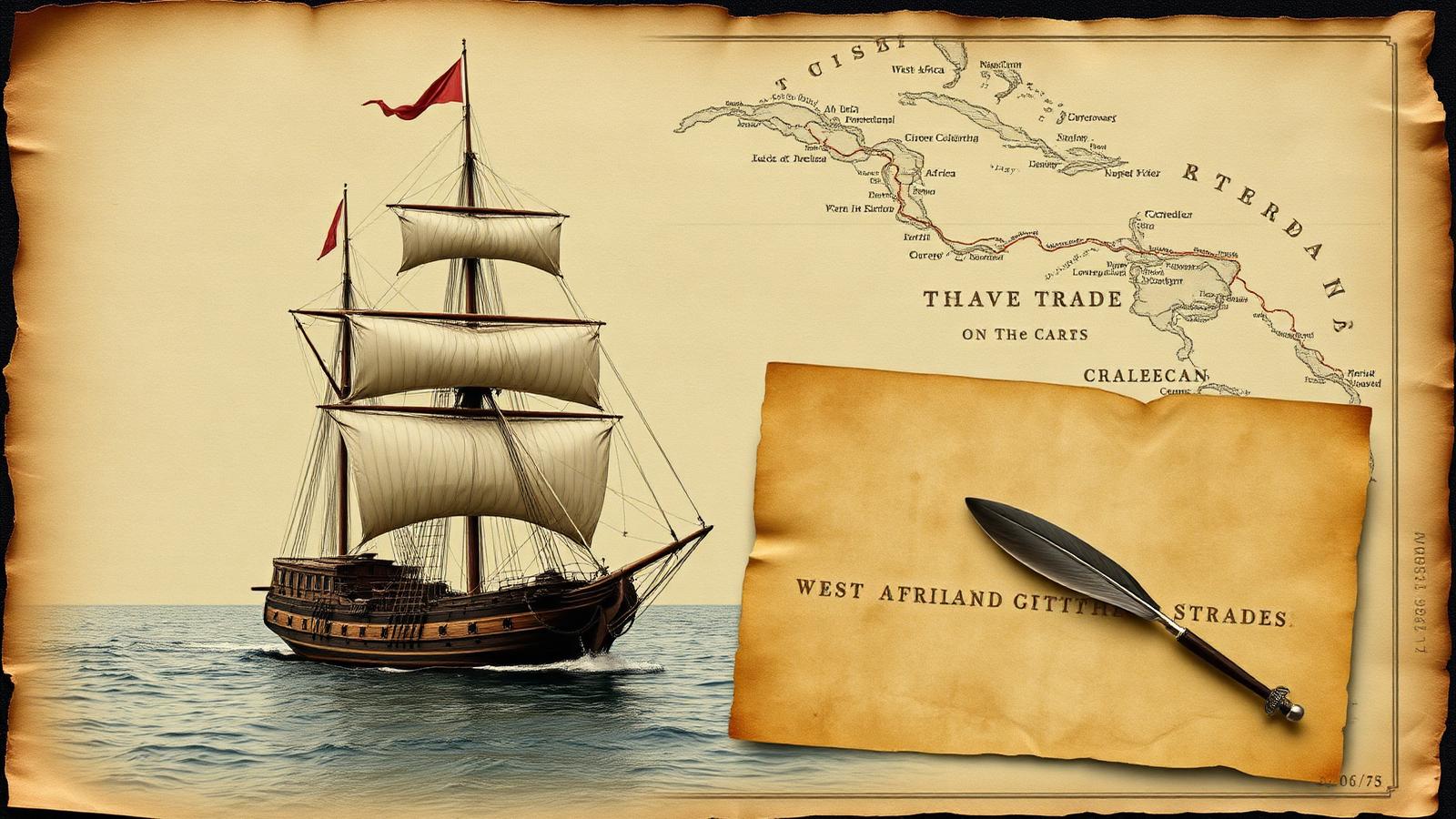
How the Transatlantic Slave Trade Shaped the Caribbean
The transatlantic slave trade was not incidental to Caribbean history. It was the founding economic and social system on which colonial Caribbean society was built. This publication traces its origins, its economics and its long-term legacy.
The Caribbean Current · Jun 28, 2026 · 11 min read
Reparations Explained: Why Caribbean Nations Continue Their Fight for Justice
Reparations are one of the most misunderstood questions in modern Caribbean public life. This publication sets out what reparations actually mean, what the historical record shows, and how CARICOM's Ten-Point Plan frames the case for reparatory justice.
The Caribbean Current · Jun 13, 2026 · 12 min read