Reparations Explained: Why Caribbean Nations Continue Their Fight for Justice
Reparations are one of the most misunderstood questions in modern Caribbean public life. This publication sets out what reparations actually mean, what the historical record shows, and how CARICOM's Ten-Point Plan frames the case for reparatory justice.
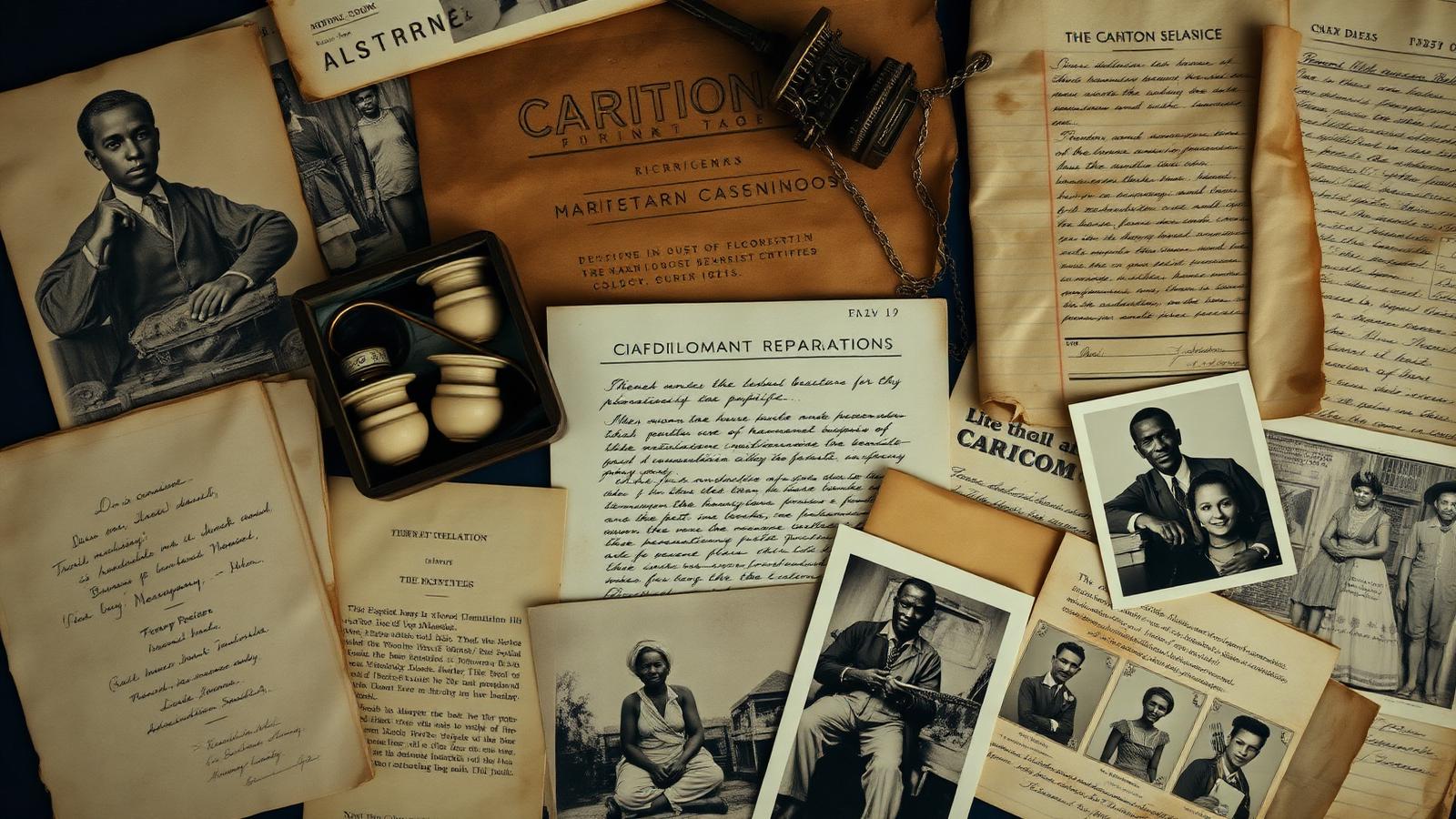
The word reparations is often thrown into public debate stripped of its meaning. In its formal sense it refers to acts of repair — legal, financial, institutional and moral — made by a state or institution that has been shown to have committed a historical wrong. It is not, as it is sometimes portrayed, a demand for a single lump-sum payment.
The Caribbean case for reparations is grounded in a documented record: transatlantic chattel slavery, the plantation economy that enriched European empires, and a system of colonial rule that survived the formal abolition of slavery by more than a century. This publication sets out the historical background, explains the CARICOM position and describes how the modern debate has evolved.
What reparations actually mean
Reparations, in international law and diplomatic practice, are the measures taken to repair the harm caused by an internationally wrongful act. The United Nations General Assembly's Basic Principles and Guidelines on the Right to a Remedy and Reparation, adopted in 2005, identify five recognised forms: restitution, compensation, rehabilitation, satisfaction and guarantees of non-repetition.
Applied to the Caribbean case, reparatory justice is understood as a package of measures — not a cheque. That is central to how CARICOM has framed its claim.
Not the same as an apology
Formal apologies from former slaveholding states and institutions have been rare and, when made, have generally stopped short of the legal admission that reparatory obligations require. The distinction matters. An apology acknowledges harm; reparations respond to it.
The historical background
Between the sixteenth and nineteenth centuries, European powers organised the forced transportation of millions of Africans to the Americas. The transatlantic slave trade and the plantation economies it supplied were the economic foundation of colonial Caribbean society.
The Slave Voyages database, hosted at Rice University and drawn from primary shipping records held in European archives, documents the individual voyages that sustained the trade. It is one of the most complete quantitative records of any early-modern commercial system, and it makes clear the scale, direction and mortality of the middle passage.
Slavery in the British Caribbean was formally abolished by the Slavery Abolition Act 1833, which came into force on 1 August 1834. Emancipation was not immediate: most enslaved people were required to serve an unpaid "apprenticeship" of several years before full freedom in 1838.
Britain's compensation — to slave owners
One of the least known facts in modern British history is that the Slavery Abolition Act compensated the owners of enslaved people, not the enslaved. The Act authorised the payment of £20 million — an enormous sum for the time — to former slaveholders across the British Empire in return for the loss of their "property". No payment was made to the people who had been enslaved.
The University College London project Legacies of British Slavery, based on the compensation records held at The National Archives (UK), has published a searchable database of every recorded claim. It documents the individuals, families, companies and institutions that received compensation, and traces the wealth into British estates, banks, universities and civic institutions. It is the single most important primary-source resource on the compensation payments and is freely accessible online.
The financial mechanics matter. The £20 million was raised through a loan from the House of Rothschild and other City institutions, added to Britain's public debt and — according to a widely reported 2018 disclosure by HM Treasury — was only fully paid off by the British taxpayer in 2015. That fact is regularly cited in the modern reparations debate because it means that the descendants of enslaved people in the Caribbean and Britain themselves helped finance a payment made to slave owners.
The CARICOM Ten-Point Plan
In 2013 the Caribbean Community (CARICOM) established a Reparations Commission to develop a coordinated position for the region. In 2014 it published the CARICOM Ten-Point Plan for Reparatory Justice, which remains the authoritative regional framework.
The ten points, in summary, call for:
- a full formal apology
- a programme of repatriation for those who wish to return to Africa
- an indigenous peoples development programme
- support for the establishment of cultural institutions
- action on the public health crisis in the Caribbean linked to the plantation diet
- action on illiteracy eradication
- an African knowledge programme
- psychological rehabilitation
- technology transfer, and
- debt cancellation for Caribbean states
Each point is tied to a documented consequence of slavery and colonialism. The plan explicitly frames reparations as a development programme, not an individual payment scheme.
The modern debate
Recent years have seen renewed international attention on the reparations question. Individual British institutions — including the Church of England, the Guardian newspaper and several universities — have publicly acknowledged historical links to slavery and, in some cases, established funds or research programmes. The Dutch government issued a formal apology in 2022. Portugal's president has publicly stated that Portugal bears responsibility for the transatlantic slave trade.
None of these steps meets the CARICOM definition of reparatory justice, but each has shifted the frame of the debate. The African Union and CARICOM have signalled increasing coordination on a shared position, and the United Nations Permanent Forum on People of African Descent has taken up reparatory justice as a standing agenda item.
International examples
Reparations are not a new concept in international law. Postwar Germany's payments to survivors of the Holocaust and to the State of Israel, Japanese-American internment compensation under the United States Civil Liberties Act 1988, and payments made to victims of apartheid-era abuses in South Africa all provide different working models.
None maps cleanly onto the transatlantic case — the harms, the actors and the time horizons differ — but they establish the basic principle that a state can, and sometimes does, make reparations for historical wrongs.
What comes next
The Caribbean position, as advanced by CARICOM, is that reparatory justice is a matter of law, history and development policy. It is grounded in documented evidence, articulated as a coordinated regional programme, and pursued through diplomatic channels.
The Caribbean Current will continue to publish evidence-based coverage of the reparations question, drawing on primary documents and official records. Readers are encouraged to review the original sources listed below.
Sources & References
Verify every claim in this article
The Caribbean Current links to primary sources whenever possible. Direct links to official documents are marked below.
- CARICOM Reparations Commissiongovernment
- CARICOM Ten-Point Plan for Reparatory Justicegovernment
- Legacies of British Slavery — University College Londonacademic
- The National Archives (UK) — British transatlantic slave trade recordsarchive
- Slavery Abolition Act 1833 — legislation.gov.ukprimary
- Slave Voyages database — Rice Universityacademic
- UN Basic Principles and Guidelines on the Right to a Remedy and Reparation (2005)primary
Go Deeper: Watch Our Documentary
Britain, Jamaica & Reparations: Who Owes What—and Why?
Who owes what — and why? An evidence-based examination of slavery, abolition, independence and the modern case for Caribbean reparations.
Watch the Documentary →
Related
More from The Caribbean Current
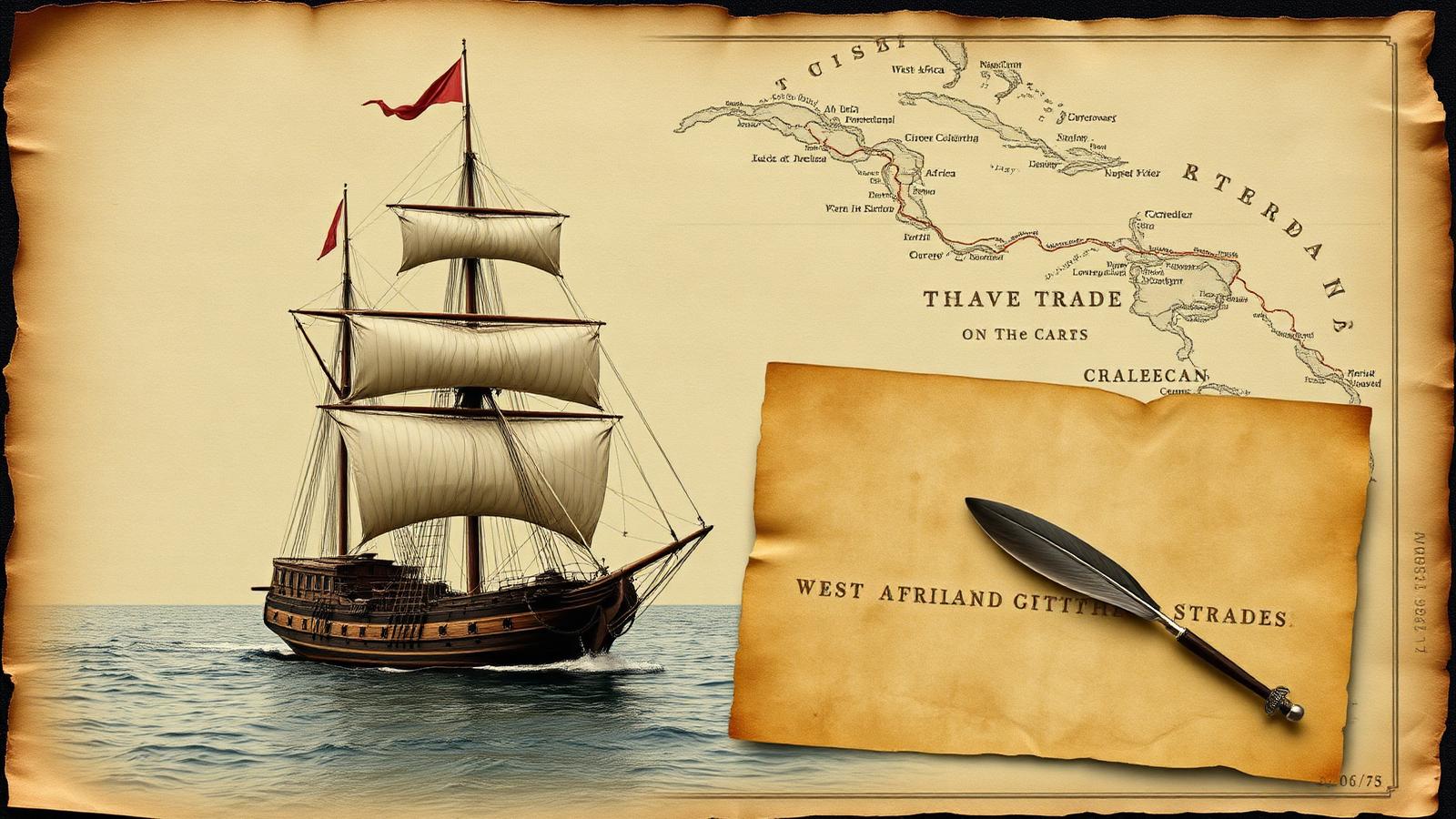
How the Transatlantic Slave Trade Shaped the Caribbean
The transatlantic slave trade was not incidental to Caribbean history. It was the founding economic and social system on which colonial Caribbean society was built. This publication traces its origins, its economics and its long-term legacy.
The Caribbean Current · Jun 28, 2026 · 11 min read
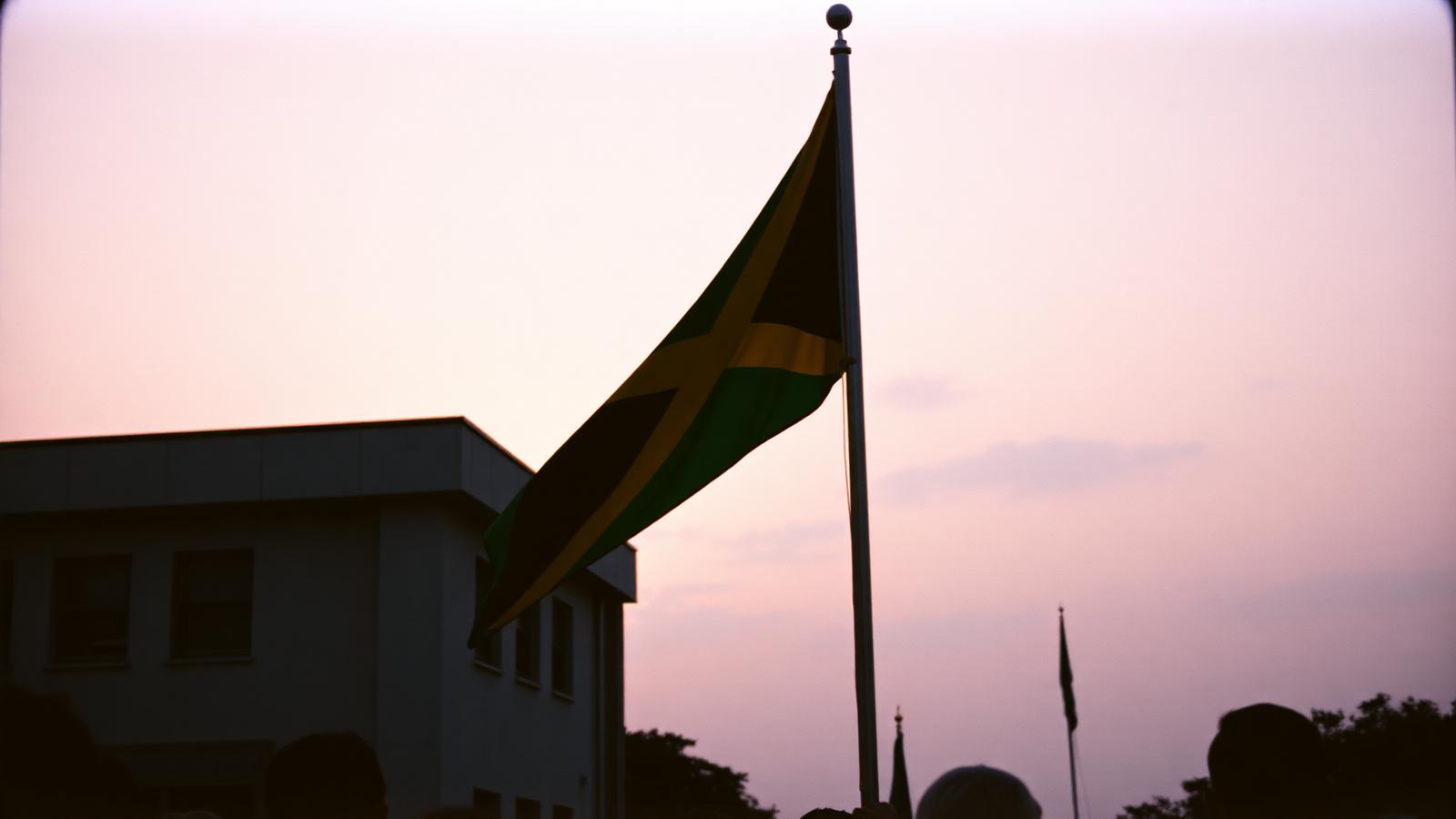
The Road to Jamaican Independence
Jamaica became an independent nation on 6 August 1962. The road to that day was long and included the rise of universal adult suffrage, the West Indies Federation, and a sustained constitutional negotiation. This publication tells the story.
The Caribbean Current · Jul 13, 2026 · 11 min read
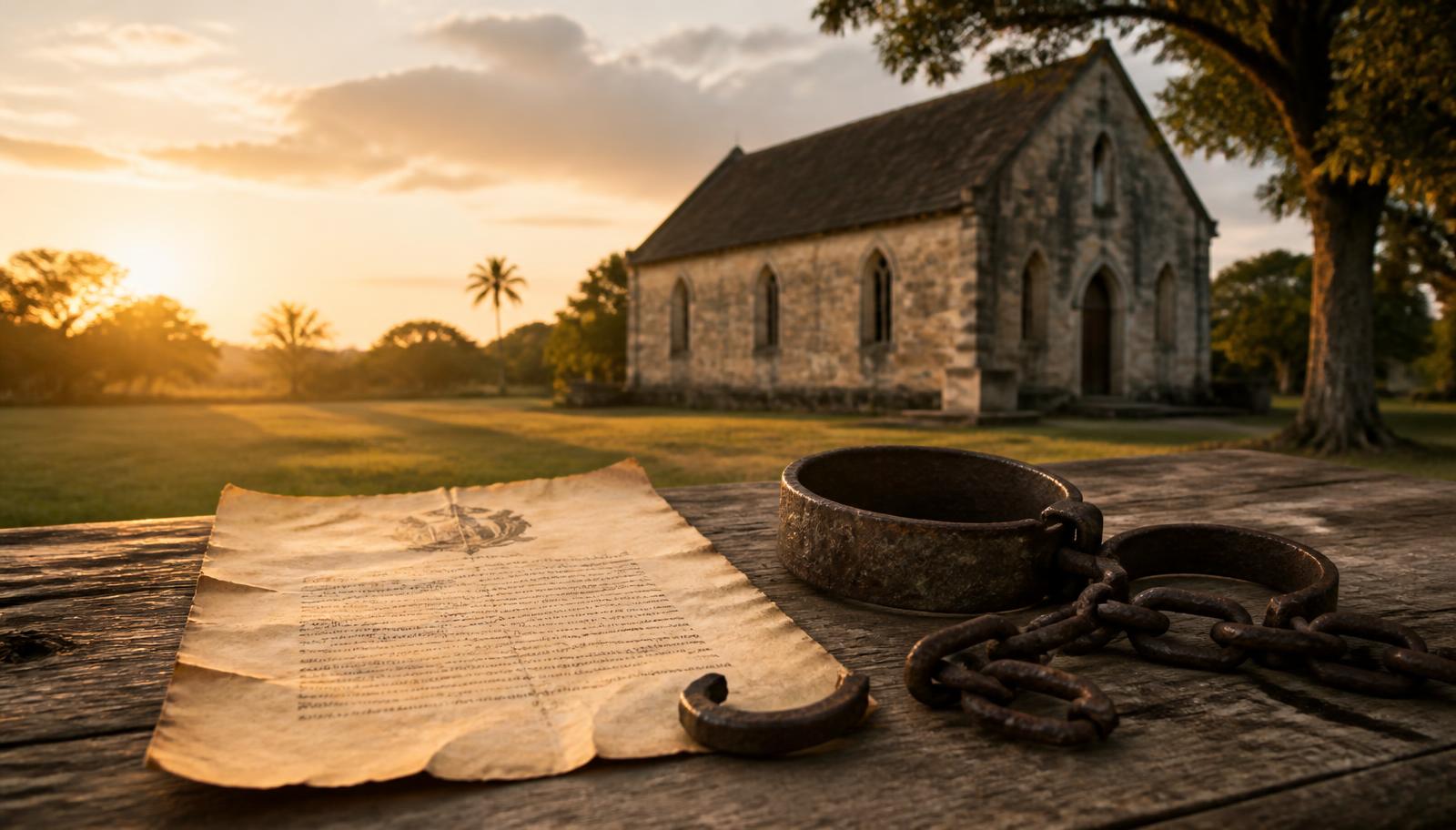
Emancipation Day: What August 1 Really Means to Jamaica and the Caribbean
August 1 marks one of the most important turning points in Caribbean history. But emancipation did not happen in a single moment. Here is what the historical record actually tells us.
The Caribbean Current · Aug 1, 2026 · 9 min read