Emancipation Day: What August 1 Really Means to Jamaica and the Caribbean
August 1 marks one of the most important turning points in Caribbean history. But emancipation did not happen in a single moment. Here is what the historical record actually tells us.
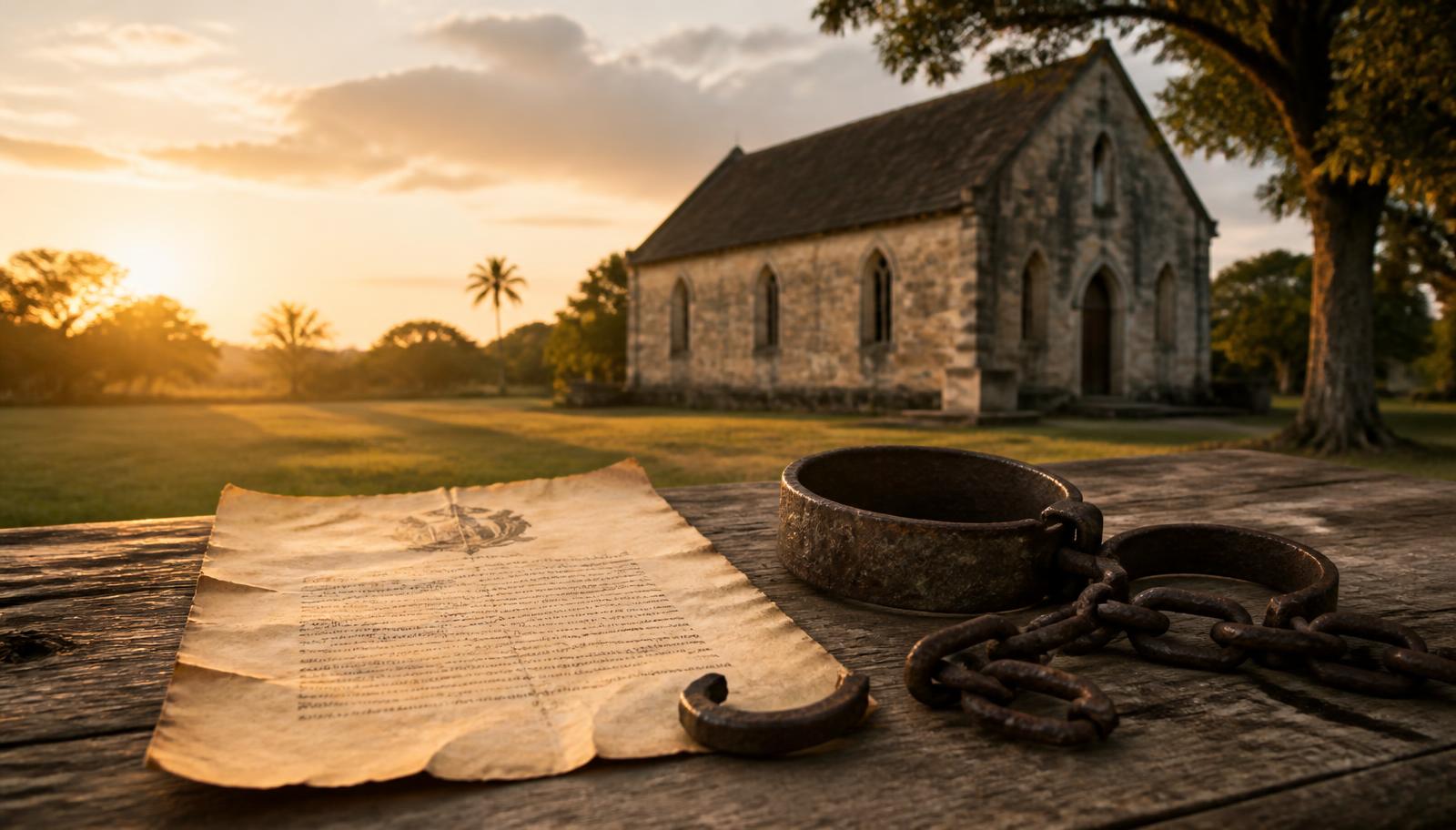
On August 1, 1834, slavery was legally abolished across most of the British Empire. But freedom did not arrive all at once — and the history of emancipation is more complicated than a single date.
Every August 1, Jamaica observes Emancipation Day.
Across the Caribbean, the date carries enormous historical significance. It commemorates the beginning of the legal end of slavery in most British colonies in 1834 and honours generations of enslaved Africans and their descendants whose labour, resistance and determination shaped the Caribbean.
But understanding Emancipation Day requires understanding something important: freedom was not simply handed to enslaved people.
The abolition of slavery emerged from decades of resistance in the Caribbean, political campaigning in Britain, religious and humanitarian activism, changing economic conditions and growing pressure against the institution of slavery.
The story is therefore larger than any single government, politician or abolitionist. It is also larger than August 1, 1834.
Slavery and the Caribbean
For centuries, European colonial economies in the Caribbean relied heavily on enslaved African labour.
Plantations producing sugar, coffee and other commodities generated enormous wealth. Enslaved people were legally treated as property and could be bought, sold, inherited and transferred.
Families could be separated. Movement was restricted. Labour was coerced. Political and economic power remained overwhelmingly concentrated among colonial authorities and property owners.
This system profoundly influenced the economic and social structures that developed throughout the Caribbean.
Enslaved people resisted
Enslaved Africans and their descendants were not passive participants in this history. Resistance took many forms.
Some escaped plantations and established independent communities. Jamaica's Maroons fought British colonial forces and secured treaties recognising a degree of autonomy.
Others resisted through work slowdowns, sabotage, preservation of African cultural traditions and organised rebellion.
Jamaica experienced numerous uprisings during slavery. Among the most consequential was the Baptist War of 1831–1832, also known as the Christmas Rebellion.
Led in part by Samuel Sharpe, an enslaved Baptist deacon, the uprising involved tens of thousands of enslaved people. The rebellion was violently suppressed, and Sharpe was executed in 1832.
But the uprising helped demonstrate that maintaining slavery would require continuing violence and instability. It strengthened the political pressure surrounding abolition in Britain.
The abolition movement
Resistance in the Caribbean occurred alongside an increasingly organised abolition movement in Britain.
Black abolitionists, formerly enslaved people, religious organisations, political campaigners and sympathetic parliamentarians challenged the institution. They published testimony, organised petitions, held public meetings and pressured Parliament.
People such as Olaudah Equiano helped expose British audiences to the realities of slavery and the slave trade. British abolitionists including William Wilberforce and Thomas Clarkson became prominent figures in the parliamentary and public campaigns.
The British Parliament abolished Britain's participation in the transatlantic slave trade in 1807. But slavery itself continued throughout most of the British Caribbean for more than another quarter-century.
August 1, 1834
The Slavery Abolition Act was passed by the British Parliament in 1833 and came into effect on August 1, 1834. It legally abolished slavery across most of the British Empire.
But there was a major qualification. Many formerly enslaved people did not immediately receive complete freedom.
Instead, Britain introduced an apprenticeship system. Formerly enslaved people were required to continue providing unpaid labour for their former enslavers for part of each week.
The system was presented as a transition from slavery to freedom. In practice, many of the inequalities and coercive relationships associated with slavery continued.
Apprenticeship became deeply controversial. It was eventually terminated earlier than originally planned.
On August 1, 1838, full emancipation finally arrived for the formerly enslaved population of Jamaica and other British Caribbean colonies still operating under apprenticeship.
That means Caribbean emancipation has two important dates: August 1, 1834, the legal abolition of slavery; and August 1, 1838, the end of apprenticeship and the beginning of full freedom.
Who received compensation?
One of the most important and sometimes misunderstood parts of emancipation concerns compensation.
The British government authorised approximately £20 million to compensate slave owners for the loss of what the law had previously recognised as their property. The formerly enslaved people themselves did not receive this compensation.
The payment represented an extraordinary sum at the time and became one of the largest government financial interventions of nineteenth-century Britain.
Records documenting these payments remain an important source for historians studying the economic connections between slavery, property and British society. This history has also become central to the modern debate over reparations.
Freedom did not mean equality
Legal emancipation represented an enormous change. Human beings could no longer legally be owned as property in Britain's Caribbean colonies.
But emancipation did not erase the economic structure that slavery had created.
Formerly enslaved people generally entered freedom without compensation for generations of forced labour. Large landholdings remained concentrated. Colonial political institutions remained dominated by property-owning elites. Access to land, capital, education and political power remained unequal.
The struggle for meaningful economic and political freedom therefore continued long after slavery formally ended.
Jamaica after emancipation
The decades following emancipation were difficult. Questions surrounding land, wages, taxation, political representation and access to justice created continuing tension.
One of the most important confrontations occurred in 1865, when protests at Morant Bay developed into a major uprising. Paul Bogle and others protested poverty, injustice and the limited political power available to Jamaica's Black majority.
The colonial government's response was extraordinarily severe. Hundreds of people were killed and many others punished.
The Morant Bay Rebellion demonstrated that the end of slavery had not ended Jamaica's struggle over political and economic equality. Those struggles would continue through the labour movement, expansion of voting rights, constitutional reform and eventually independence.
Jamaica became an independent country on August 6, 1962.
Why Emancipation Day still matters
Emancipation Day is therefore not simply a celebration of legislation passed in London. It represents something much larger.
It remembers the people who survived slavery. It honours those who resisted it. It recognises the abolitionists — Black and white — who fought against the institution. And it reminds us that legal freedom and genuine equality are not always the same thing.
The history also raises difficult questions that remain relevant today. How much of the Caribbean's modern economic structure was shaped during slavery and colonialism? How should societies understand historical injustices whose consequences extended beyond the generation that experienced them? What responsibilities, if any, do modern governments and institutions have for historical systems from which their predecessors benefited?
These questions form part of the continuing Caribbean debate over reparatory justice. Reasonable people may disagree about what reparations should involve. But meaningful debate begins with understanding the historical record.
Remembering emancipation
August 1 should therefore be both a celebration and a moment of reflection.
It celebrates the destruction of a legal system that allowed human beings to be treated as property. It honours the courage of people who resisted slavery even when resistance could cost them their lives. And it reminds us that Caribbean freedom was not created in a single moment. It was built through generations of resistance, political struggle and social change.
Emancipation was not the end of Jamaica's journey. It was one of its most important beginnings.
The Facts. The Context. The Conversation.
Sources & References
Verify every claim in this article
The Caribbean Current links to primary sources whenever possible. Direct links to official documents are marked below.
Go Deeper: Watch Our Documentary
Britain, Jamaica & Reparations: Who Owes What—and Why?
Who owes what — and why? An evidence-based examination of slavery, abolition, independence and the modern case for Caribbean reparations.
Watch the Documentary →
Related
More from The Caribbean Current
Reparations Explained: Why Caribbean Nations Continue Their Fight for Justice
Reparations are one of the most misunderstood questions in modern Caribbean public life. This publication sets out what reparations actually mean, what the historical record shows, and how CARICOM's Ten-Point Plan frames the case for reparatory justice.
The Caribbean Current · Jun 13, 2026 · 12 min read
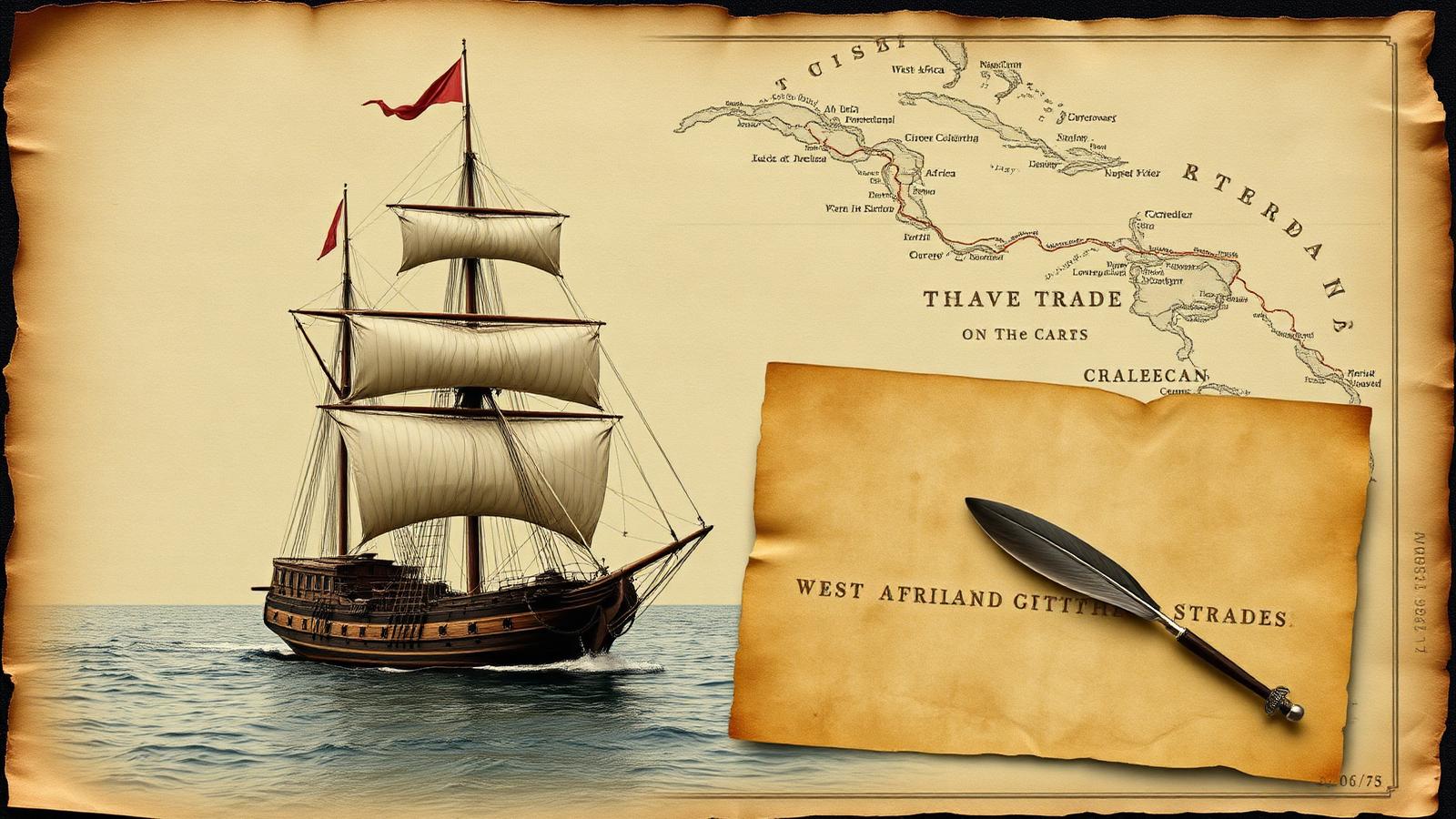
How the Transatlantic Slave Trade Shaped the Caribbean
The transatlantic slave trade was not incidental to Caribbean history. It was the founding economic and social system on which colonial Caribbean society was built. This publication traces its origins, its economics and its long-term legacy.
The Caribbean Current · Jun 28, 2026 · 11 min read
The Road to Jamaican Independence
Jamaica became an independent nation on 6 August 1962. The road to that day was long and included the rise of universal adult suffrage, the West Indies Federation, and a sustained constitutional negotiation. This publication tells the story.
The Caribbean Current · Jul 13, 2026 · 11 min read