Education and National Development
No modern country has prospered without investing in its people. This publication examines the relationship between education and national development in Jamaica, and points to the primary sources that govern the sector.
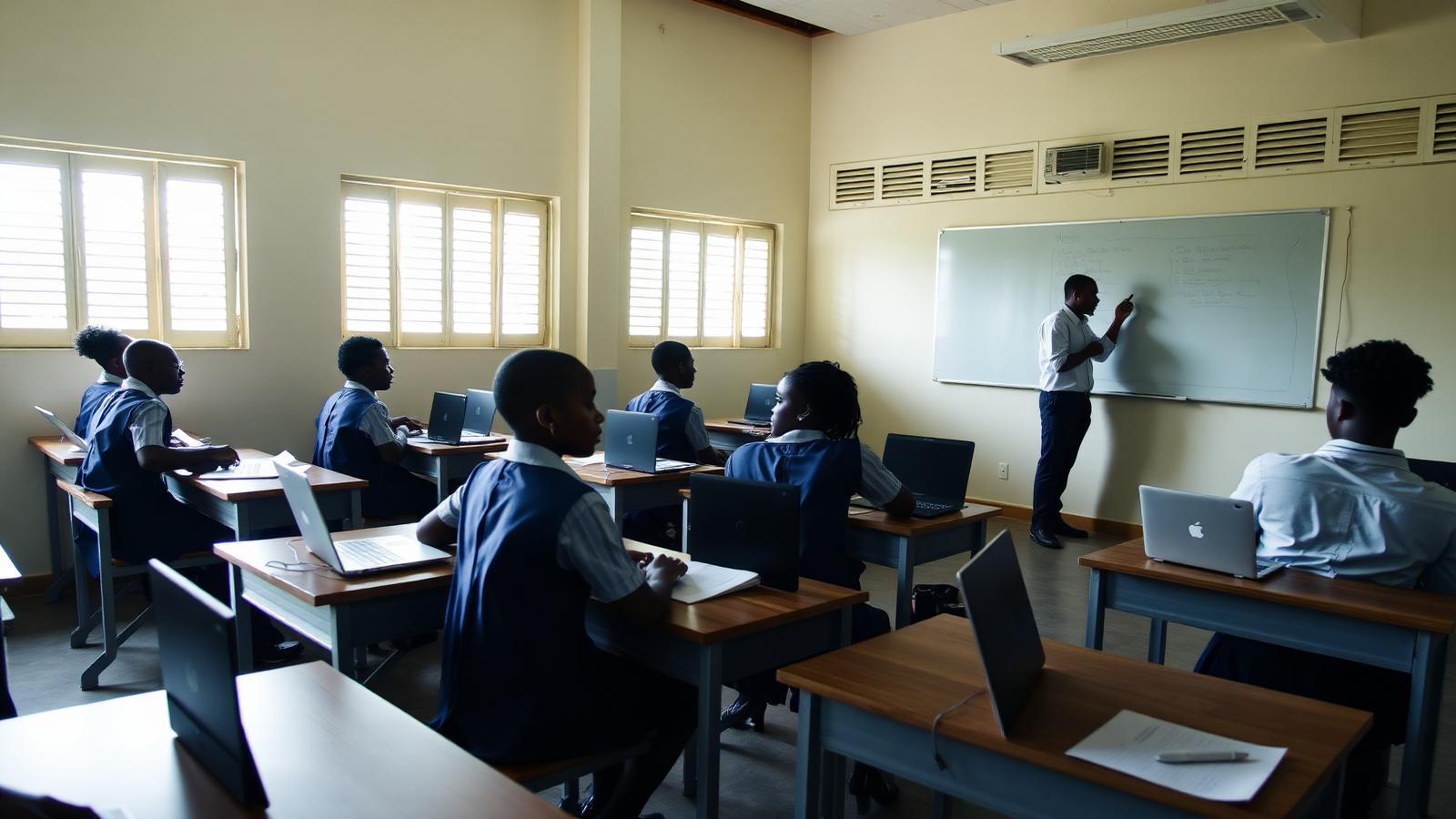
Education is the most consequential public policy area a country has. It shapes the labour force, the professions, the pipeline of scientists and engineers, the level of civic participation and, over the long run, the size of the economy itself. It is also one of the areas where the gap between what a country says it values and what it actually funds is easiest to measure.
This publication sets out how education is structured in Jamaica, why economists treat it as core national infrastructure, and where to find the primary policy documents that govern it.
Why economists take education seriously
Modern development economics treats human capital — the knowledge, skills and health of a population — as a factor of production on par with physical capital and natural resources. Studies published by the World Bank and the OECD consistently identify education as one of the strongest predictors of long-run economic growth, higher productivity and lower inequality.
For a small open economy such as Jamaica's, the case is even stronger. A country that cannot compete on the price of unskilled labour must compete on productivity, and productivity comes overwhelmingly from skills.
The structure of the Jamaican system
Formal education in Jamaica is organised across four broad stages: early childhood, primary, secondary and tertiary. Responsibility for policy sits with the Ministry of Education and Youth. Several specialised agencies operate under its umbrella, including the Early Childhood Commission, the National Education Inspectorate, the National Council on Education, HEART/NSTA Trust for technical and vocational training, and the University Council of Jamaica for tertiary quality assurance.
Early childhood
Early childhood education in Jamaica is delivered largely through community-based institutions, regulated by the Early Childhood Commission under the Early Childhood Act. International evidence — synthesised by UNICEF and the World Bank — consistently identifies early childhood interventions as producing some of the highest returns of any social investment.
Primary and secondary
Primary and secondary education is delivered through a network of government and government-assisted schools. Curriculum and assessment are set nationally. National assessments at the primary and secondary levels — including the Primary Exit Profile and the Caribbean Secondary Education Certificate examinations administered by the Caribbean Examinations Council — provide the main external measures of student performance.
Tertiary
Tertiary education in Jamaica includes The University of the West Indies (Mona campus), the University of Technology, Jamaica, Northern Caribbean University, community colleges and specialised institutions. The Caribbean Examinations Council administers the Caribbean Advanced Proficiency Examinations that most tertiary institutions use for entry.
Access remains uneven, and the cost of tertiary study is a recurring policy issue. Support mechanisms include the Students' Loan Bureau and various needs-based bursary schemes.
Skills and the labour market
Jamaica also has an extensive technical and vocational education and training system, delivered largely through HEART/NSTA Trust. Vocational training is one of the most direct policy tools available to align the labour force with the actual demands of employers, and the strongest cross-country evidence — from the OECD and the International Labour Organization — indicates that active engagement with industry is what makes such systems succeed.
Why funding decisions matter
Because education is one of the largest single areas of government expenditure, the annual Estimates of Expenditure published by the Ministry of Finance are the primary source for who is putting money where. The Auditor General's Department periodically audits education programmes; those reports are public and searchable.
Citizens who want to understand what the country is actually investing in education should read those documents, not political speeches about them.
Education and civic participation
Education's role in national development is not limited to the labour market. Basic and secondary education equip citizens to read the law that governs them, understand the debates in Parliament, evaluate policy claims and participate in democratic life on informed terms. The Caribbean Current publishes its educational explainers with that in mind — always with links to primary sources so readers can verify the record themselves.
Where to read further
The National Education Policy documents published by the Ministry of Education, the Reform of Education in Jamaica reports and international benchmarking data published by UNESCO's Institute for Statistics are the standard reference set. All are freely available.
Sources & References
Verify every claim in this article
The Caribbean Current links to primary sources whenever possible. Direct links to official documents are marked below.
- Ministry of Education and Youth (Jamaica)government
- Early Childhood Commissiongovernment
- National Education Inspectorategovernment
- HEART/NSTA Trustgovernment
- Caribbean Examinations Council (CXC)government
- UNESCO Institute for Statisticsprimary
Related
More from The Caribbean Current
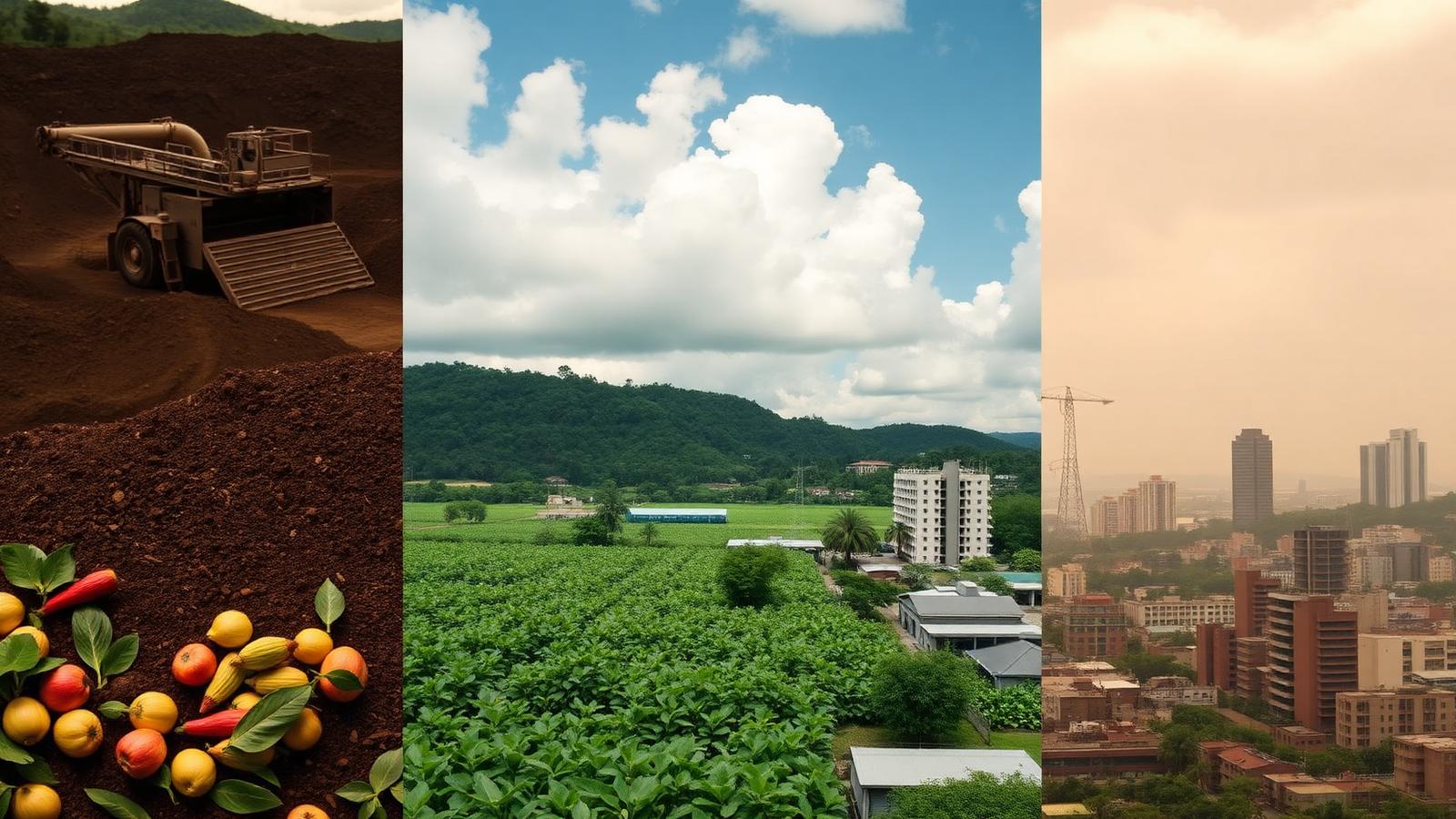
Understanding Jamaica's Economy
Jamaica's economy is small, open and diverse. This publication maps the sectors that produce the country's output and points to the official sources every citizen should know how to read.
The Caribbean Current · Jun 19, 2026 · 10 min read
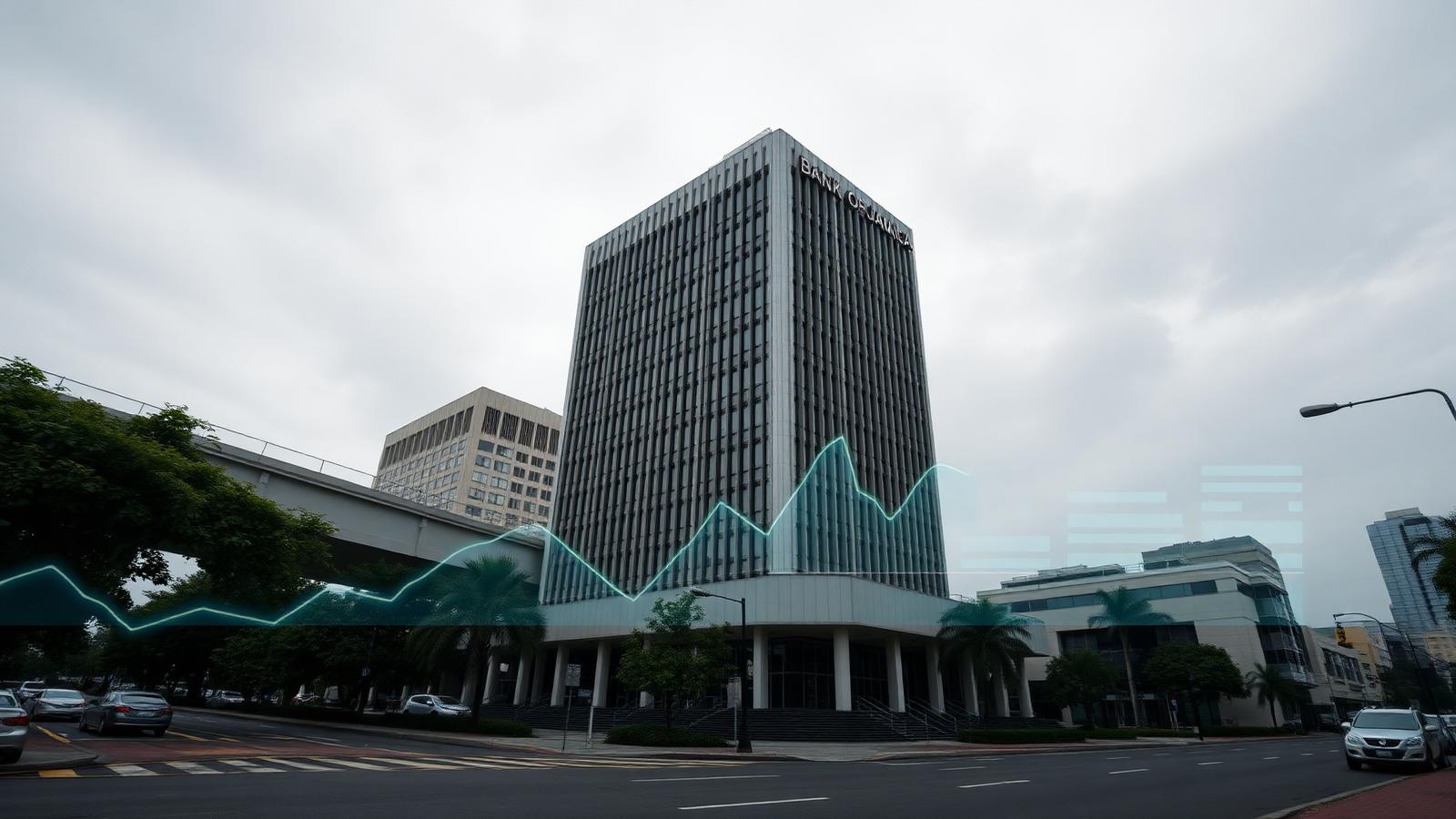
Public Debt and National Development
Public debt is one of the most consequential economic policy questions any country faces. This publication explains how debt, fiscal responsibility and national development interact in Jamaica.
The Caribbean Current · Jul 19, 2026 · 10 min read
Crime, Public Safety, and Community Development
Public safety is one of the most consequential areas of policy in Jamaica. This publication sets out the official statistics, the institutional framework and the evidence base for prevention.
The Caribbean Current · Jul 7, 2026 · 10 min read