
Crime, Public Safety, and Community Development
Public safety is one of the most consequential areas of policy in Jamaica. This publication sets out the official statistics, the institutional framework and the evidence base for prevention.
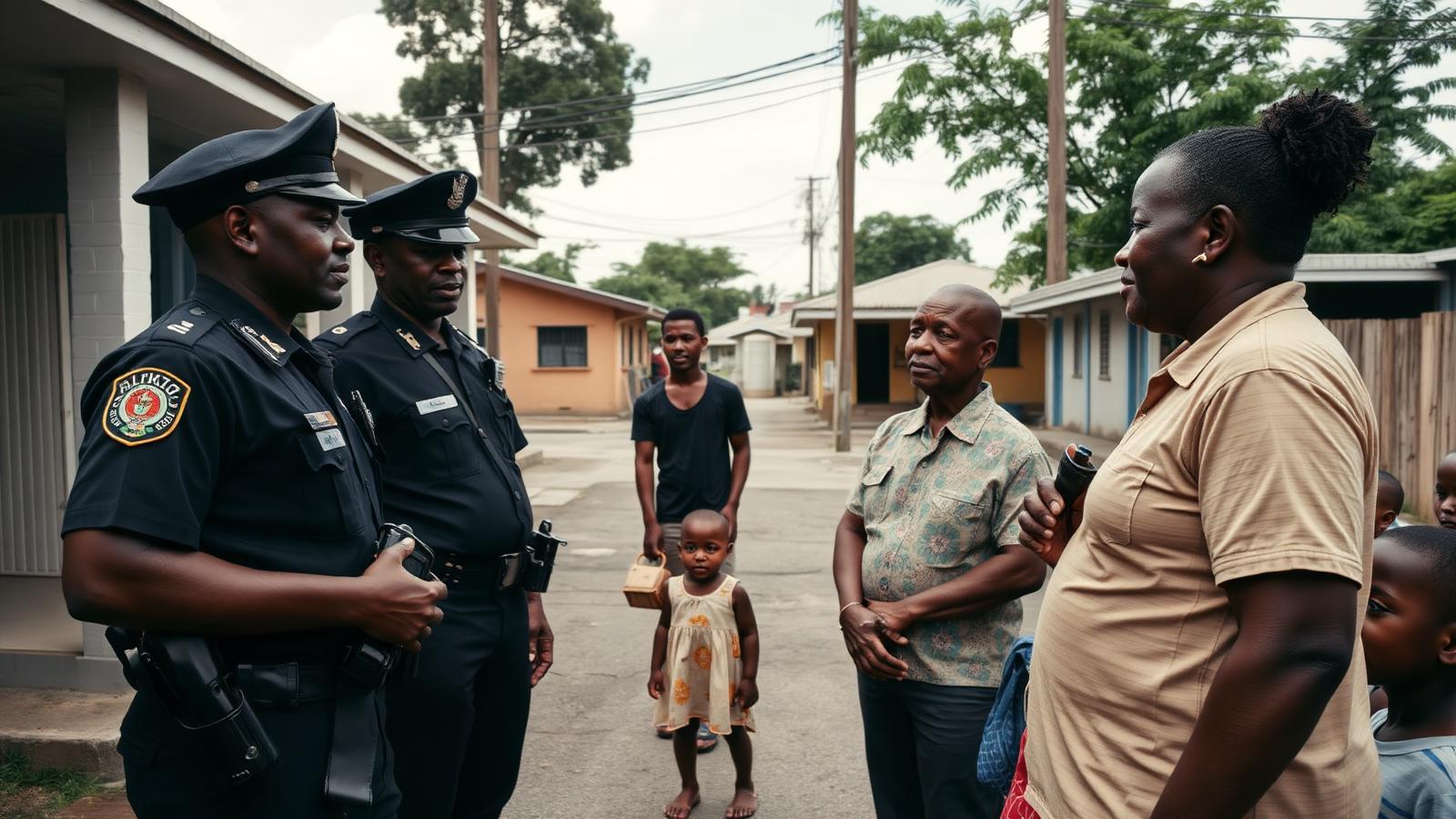
Public safety in Jamaica is at once a policing question, a public health question and a development question. It shapes everyday life, affects the economy through its impact on investment and migration, and touches every community in the country. It is also an area in which strong public opinions frequently outrun the evidence.
This publication sets out the official framework for understanding crime and public safety in Jamaica: where the statistics come from, what the institutional structure looks like and what the research on prevention shows. It does not endorse a particular policing strategy. Its purpose is to make the primary evidence legible.
The official statistics
Crime statistics in Jamaica are produced by the Jamaica Constabulary Force (JCF) and are published in the Force's periodic reports and in the Economic and Social Survey Jamaica compiled by the Planning Institute of Jamaica. The Statistical Institute of Jamaica publishes data on crime victimisation in cooperation with these sources.
Reported data cover the standard categories of major crimes — murder, shootings, rape, robbery, break-ins and larceny — as well as police operational statistics. Trend data are available going back several decades, allowing readers to place any given year's numbers in context.
Two caveats matter for anyone reading the numbers. First, reported crime is not the same as total crime; under-reporting varies by category and by community. Second, year-to-year changes should be interpreted with attention to the underlying methodology, which the JCF explains in its reports.
The institutional framework
Several institutions carry responsibility for public safety and its oversight:
- The Ministry of National Security sets policy.
- The Jamaica Constabulary Force is the national police service.
- The Jamaica Defence Force supports the JCF in specific operations under the National Security Council.
- The Independent Commission of Investigations (INDECOM), established under the Independent Commission of Investigations Act 2010, investigates actions of the security forces that result in death, injury or infringement of rights.
- The Office of the Public Defender provides an independent avenue for complaints against public authorities.
The oversight architecture has strengthened substantially over the past two decades. INDECOM in particular is one of the most consequential institutional innovations in modern Jamaican governance.
The evidence base for prevention
International evidence on violence prevention — reviewed by the World Health Organization, UNODC and academic research groups — consistently identifies a small set of intervention families that have measurable effects:
- Targeted, hot-spot policing supported by community trust building.
- Sustained early-childhood investment and school-based programmes.
- Employment and vocational training for at-risk young people.
- Focused deterrence and offender rehabilitation programmes.
- Firearm regulation and cross-border cooperation to interdict illegal weapons.
- Public health approaches that treat violence as a preventable epidemic.
No single programme reduces violent crime on its own. The pattern in the evidence base is that sustained combinations, delivered consistently over years, produce the strongest effects.
Jamaican policy over the past decade has drawn on several of these strands, including community-based programmes delivered through the Ministry of National Security and international partners. Independent evaluations of specific programmes are the appropriate place to look for what has worked and what has not.
Community development as public safety policy
Public safety is not delivered by policing alone. The literature is consistent that community development — investment in schools, in youth employment, in urban infrastructure, in parenting programmes — is part of an effective public safety strategy, not a separate agenda.
Local authorities, through the Municipal Corporations, have particular responsibilities for the physical environment that shapes everyday safety, including street lighting, public spaces and the maintenance of markets, transportation hubs and school zones.
What this publication does not do
This publication does not endorse a particular tactical approach or comment on ongoing operations. It offers the primary sources and the institutional map that any evidence-based conversation about crime and safety should begin from.
The Caribbean Current will continue to publish coverage of public safety that separates factual reporting from commentary and that links to the primary evidence. Readers can and should consult the JCF, INDECOM and PIOJ reports directly.
Sources & References
Verify every claim in this article
The Caribbean Current links to primary sources whenever possible. Direct links to official documents are marked below.
Related
More from The Caribbean Current

Education and National Development
No modern country has prospered without investing in its people. This publication examines the relationship between education and national development in Jamaica, and points to the primary sources that govern the sector.
The Caribbean Current · Jun 22, 2026 · 9 min read
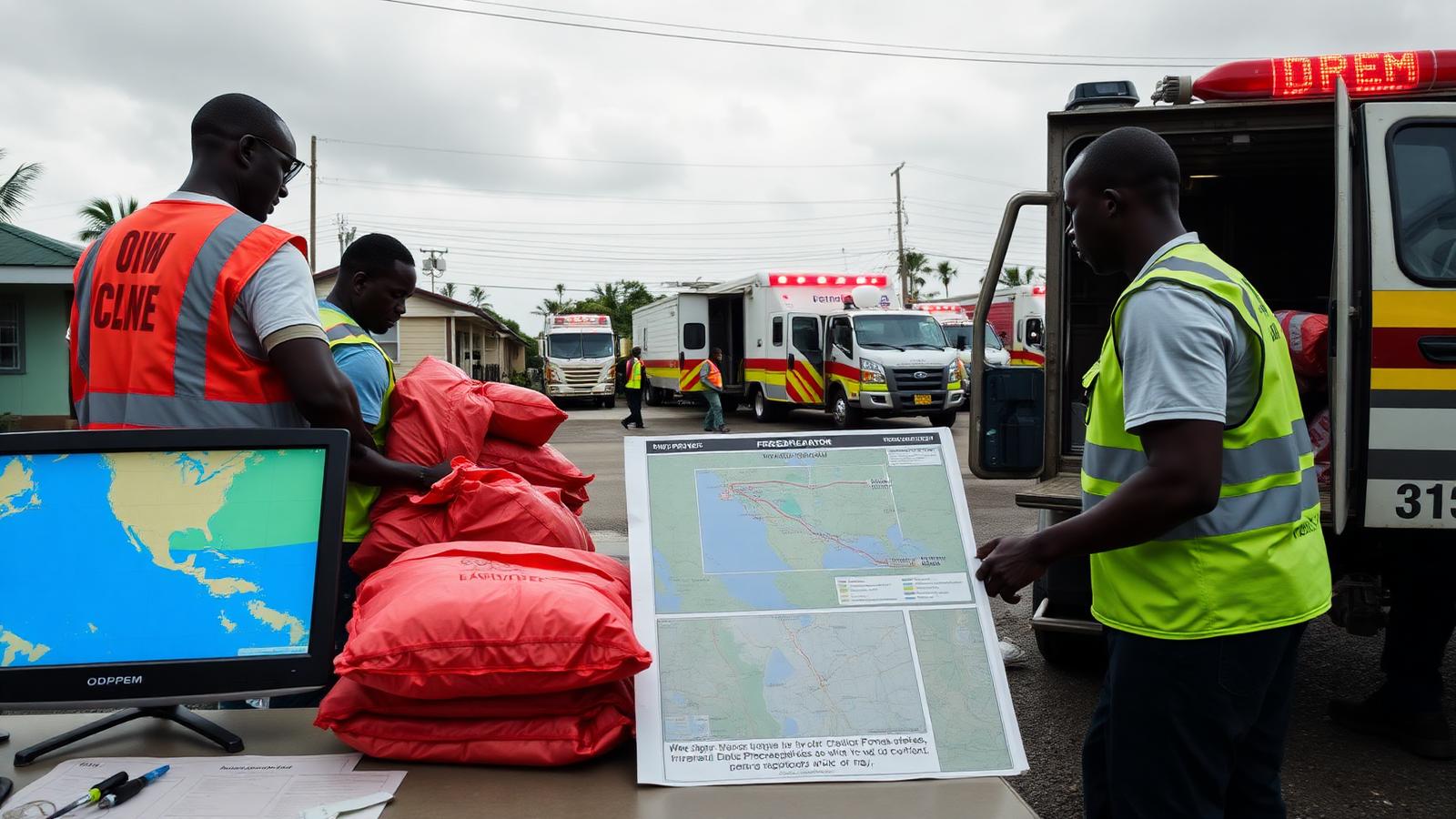
Disaster Preparedness in Jamaica
Jamaica sits in a hazard-exposed part of the world. This publication explains the country's disaster preparedness framework — the hazards, the institutions and the community-level practices that reduce risk.
The Caribbean Current · Jul 21, 2026 · 10 min read

Reparations Explained: Why Caribbean Nations Continue Their Fight for Justice
Reparations are one of the most misunderstood questions in modern Caribbean public life. This publication sets out what reparations actually mean, what the historical record shows, and how CARICOM's Ten-Point Plan frames the case for reparatory justice.
The Caribbean Current · Jun 13, 2026 · 12 min read