Disaster Preparedness in Jamaica
Jamaica sits in a hazard-exposed part of the world. This publication explains the country's disaster preparedness framework — the hazards, the institutions and the community-level practices that reduce risk.
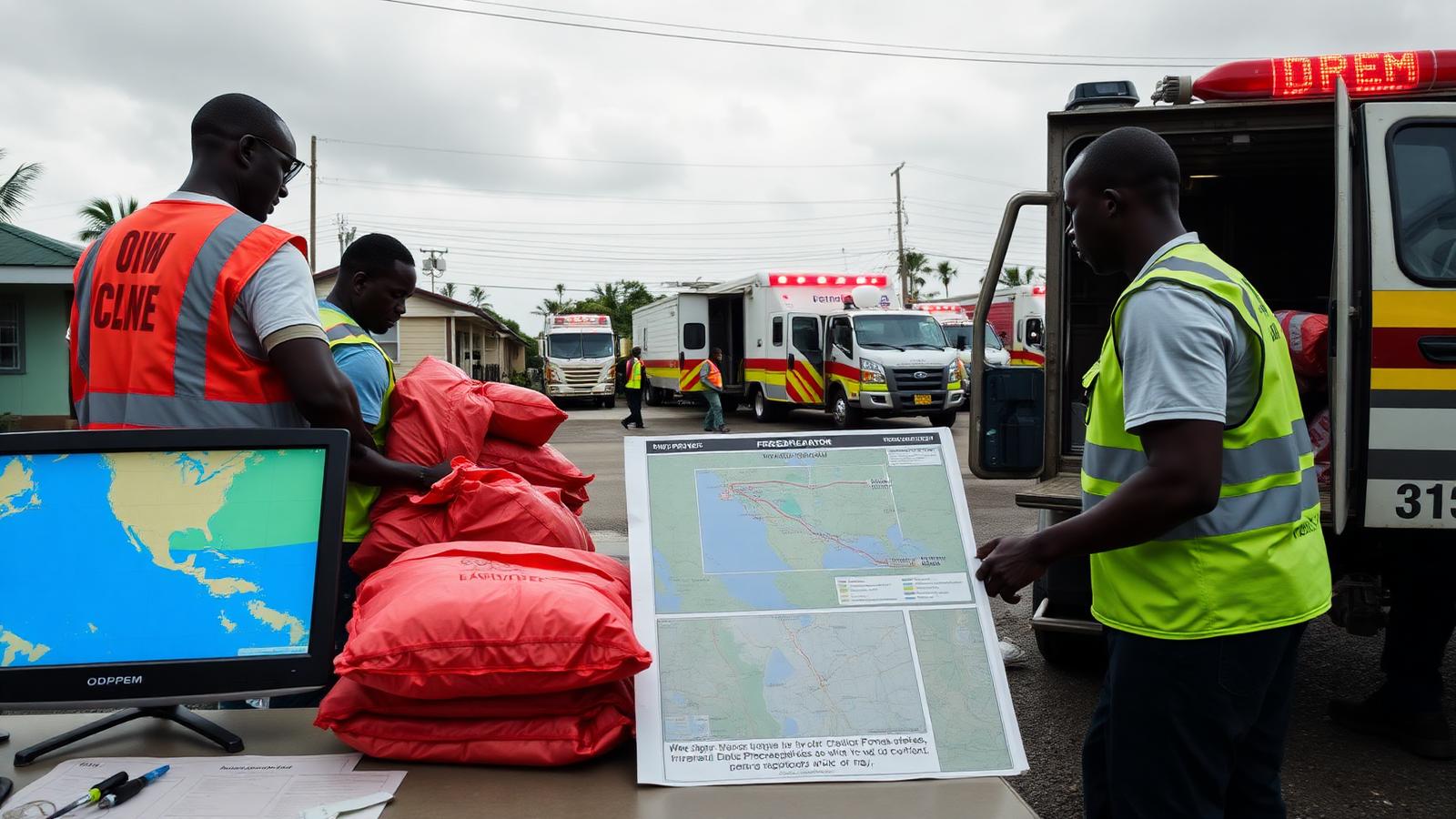
Jamaica sits in one of the more hazard-exposed parts of the world. Hurricanes, earthquakes, flooding, storm surge, landslides and — increasingly — drought and extreme heat are recurring realities of Caribbean life. Disaster preparedness is therefore not an abstract policy area but part of the basic infrastructure of the state.
This publication explains the hazards Jamaica faces, the institutional framework for preparedness and response, and the community-level practices that reduce risk. It draws on the primary sources published by the Office of Disaster Preparedness and Emergency Management (ODPEM), the Meteorological Service of Jamaica, the University of the West Indies Seismic Research Centre and the Caribbean Disaster Emergency Management Agency (CDEMA).
The hazards
Several natural hazards are of first-order concern for Jamaica:
- Tropical cyclones. The Atlantic hurricane season runs from 1 June to 30 November each year. Jamaica has been affected many times over recorded history; among the most consequential events in living memory are Hurricane Gilbert in 1988 and Hurricane Beryl in 2024.
- Earthquakes. Jamaica lies on the boundary of the Caribbean and North American tectonic plates. Major historical events include the 1692 earthquake that destroyed Port Royal, the 1907 Kingston earthquake and, in the wider Caribbean, the 2010 Haiti earthquake.
- Flooding. Heavy rainfall associated with tropical systems and unrelated weather patterns produces regular flooding, particularly in low-lying urban areas and along river courses.
- Landslides. Steep terrain combined with heavy rainfall produces frequent landslides in parishes such as Portland, St. Mary and St. Andrew.
- Drought and heat. Longer-term climate variability has intensified periods of drought and extreme heat, with consequences for water security, agriculture and health.
Sea-level rise and the intensification of extreme events under a changing climate are documented in the reports of the Intergovernmental Panel on Climate Change. The Caribbean is one of the world regions most exposed to climate risk.
The institutional framework
Several institutions carry responsibility for disaster preparedness in Jamaica:
- ODPEM is the national coordinating agency for disaster management, established under the Disaster Risk Management Act 2015.
- The Meteorological Service of Jamaica issues weather forecasts and hazard warnings, including for hurricanes, floods and drought.
- The University of the West Indies Seismic Research Centre monitors seismic and volcanic activity across the English-speaking Caribbean.
- The National Works Agency and the National Water Commission are responsible for critical infrastructure.
- The Jamaica Fire Brigade, the Ministry of Health and Wellness and the Jamaica Defence Force play direct roles in response.
- CDEMA coordinates regional support and mutual assistance.
Local disaster preparedness is anchored in parish-level Municipal Corporations and community-based Community Disaster Response Teams organised through ODPEM.
The four phases of disaster management
International practice organises disaster management into four phases: mitigation, preparedness, response and recovery. Each has its own set of activities:
- Mitigation reduces the probability or severity of impacts through, for example, building codes, land-use planning and infrastructure design.
- Preparedness ensures that institutions, communities and individuals know what to do before an event, through plans, drills, warning systems and stockpiles.
- Response is the acute phase during and immediately after an event.
- Recovery is the medium- to long-term restoration of services, livelihoods and infrastructure.
The strongest evidence base for disaster reduction — synthesised in the UN Office for Disaster Risk Reduction's Sendai Framework — is consistent that investment in mitigation and preparedness produces higher returns than expenditure on response.
Community preparedness
Individual and household preparedness is one of the most consequential parts of the system. ODPEM publishes hazard-specific guidance covering:
- Family emergency plans, including reunification arrangements and communication protocols.
- Home preparedness, including basic supply kits, roof and window protection and secure water storage.
- Evacuation planning, including knowledge of nearby designated shelters.
- Awareness of hazard maps for the area in which one lives.
Community Disaster Response Teams provide a bridge between individual preparedness and the national response system. They are one of the most cost-effective structures in disaster preparedness worldwide.
Building resilience
Resilience in a small island state is not built by any single measure. It is built by combinations: better building codes rigorously enforced, land-use planning that keeps development out of the highest-risk areas, well-maintained drainage and coastal infrastructure, functioning early warning systems, community-level training, appropriate insurance and pre-arranged financing, and continuous learning from past events.
The Caribbean Current will continue to publish evidence-based coverage of disaster preparedness. Every citizen has a role in the system.
Sources & References
Verify every claim in this article
The Caribbean Current links to primary sources whenever possible. Direct links to official documents are marked below.
- Office of Disaster Preparedness and Emergency Management (ODPEM)government
- Meteorological Service of Jamaicagovernment
- UWI Seismic Research Centreacademic
- Caribbean Disaster Emergency Management Agency (CDEMA)government
- Disaster Risk Management Act 2015primary
- UN Office for Disaster Risk Reduction — Sendai Frameworkprimary
Related
More from The Caribbean Current
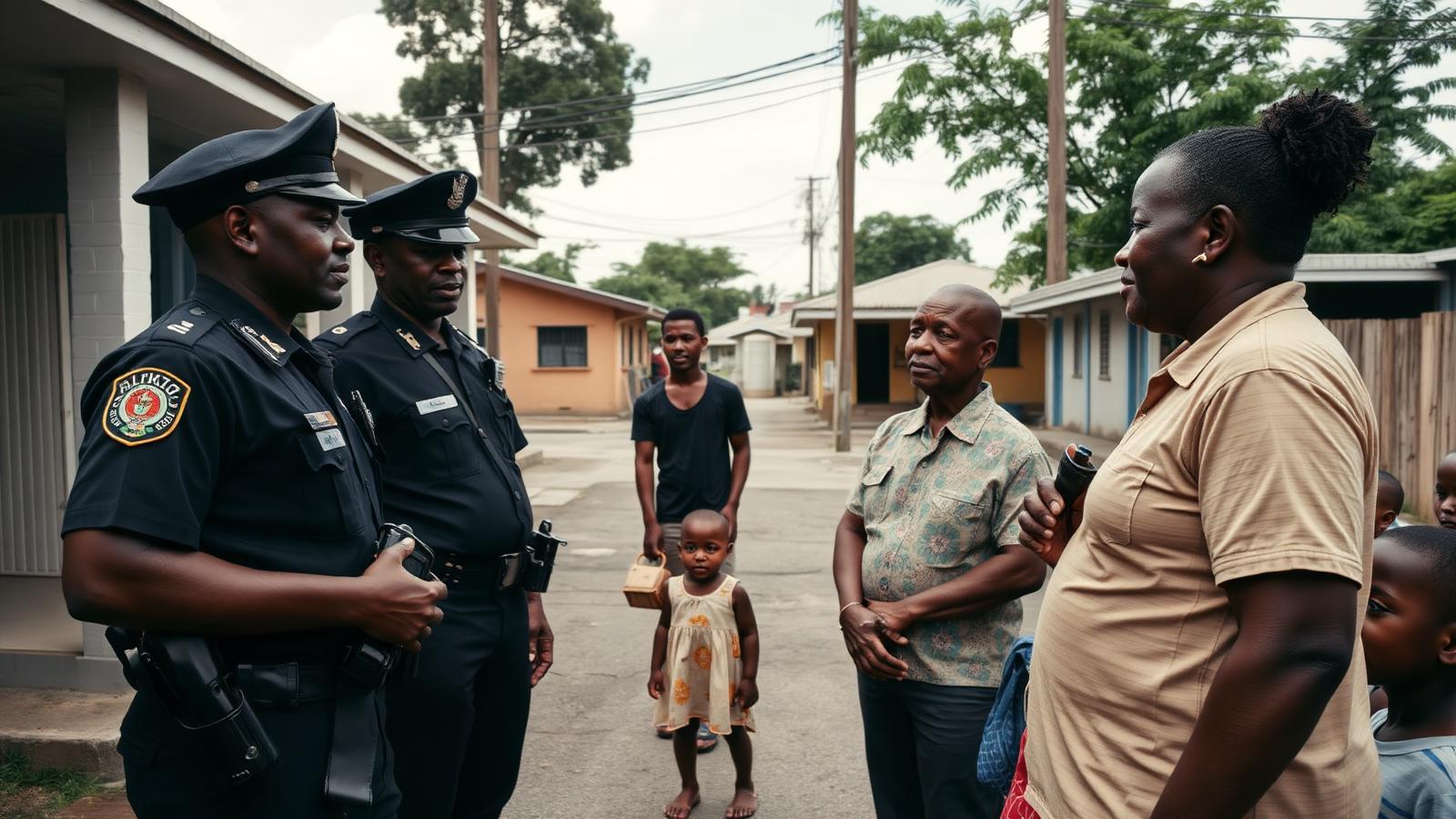
Crime, Public Safety, and Community Development
Public safety is one of the most consequential areas of policy in Jamaica. This publication sets out the official statistics, the institutional framework and the evidence base for prevention.
The Caribbean Current · Jul 7, 2026 · 10 min read
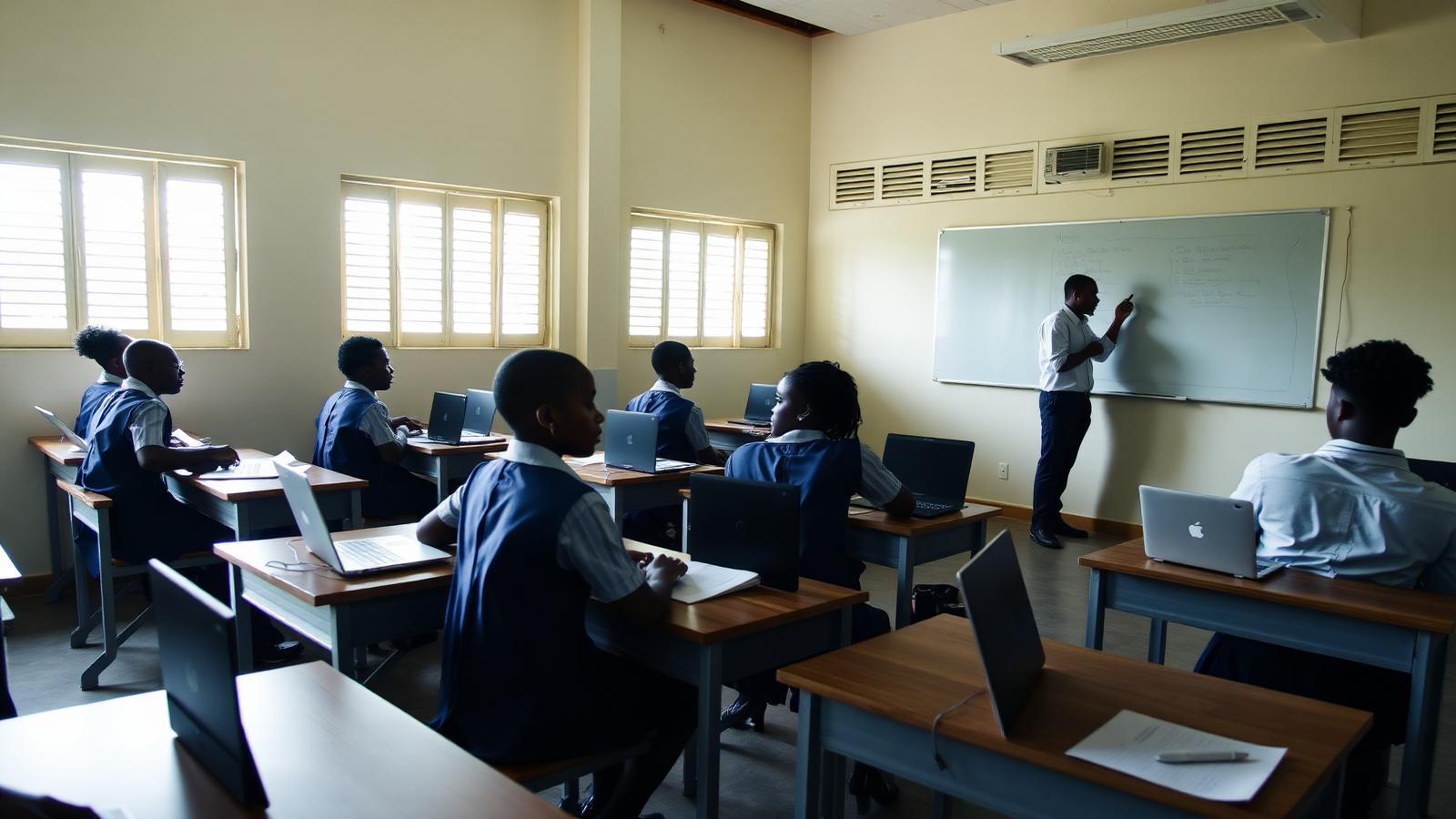
Education and National Development
No modern country has prospered without investing in its people. This publication examines the relationship between education and national development in Jamaica, and points to the primary sources that govern the sector.
The Caribbean Current · Jun 22, 2026 · 9 min read

Reparations Explained: Why Caribbean Nations Continue Their Fight for Justice
Reparations are one of the most misunderstood questions in modern Caribbean public life. This publication sets out what reparations actually mean, what the historical record shows, and how CARICOM's Ten-Point Plan frames the case for reparatory justice.
The Caribbean Current · Jun 13, 2026 · 12 min read